Sanatan directory
Sanatan knowledge, in one place
Sampradayas, deities, avatars, scriptures, rishis, tirthas and ideas: a collection for understanding the Sanatan tradition, every point with its source.
Nothing matches this search. Try another spelling, or search the whole site: Search
Explore by subject
The lists and pages of each subject, with sources
The Sanatan tree
Understand the whole tradition through one name
Gods, avatars, the people of the Ramayana and Mahabharata, rishis, scriptures and tirthas in one tree: 580 names and 749 relations, each with its source in the texts. Tap any name to see all its relations.
See how it all connectsLearn something new today
Does 33 koti mean 33 crore or 33 kinds?
8 Vasus, 11 Rudras, 12 Adityas, Indra and Prajapati: the 33 gods of the Upanishad
What are the names of the four Vedas?
Rig, Yajur, Sama, Atharva: what each holds, its Upaveda, Brahmanas and Upanishads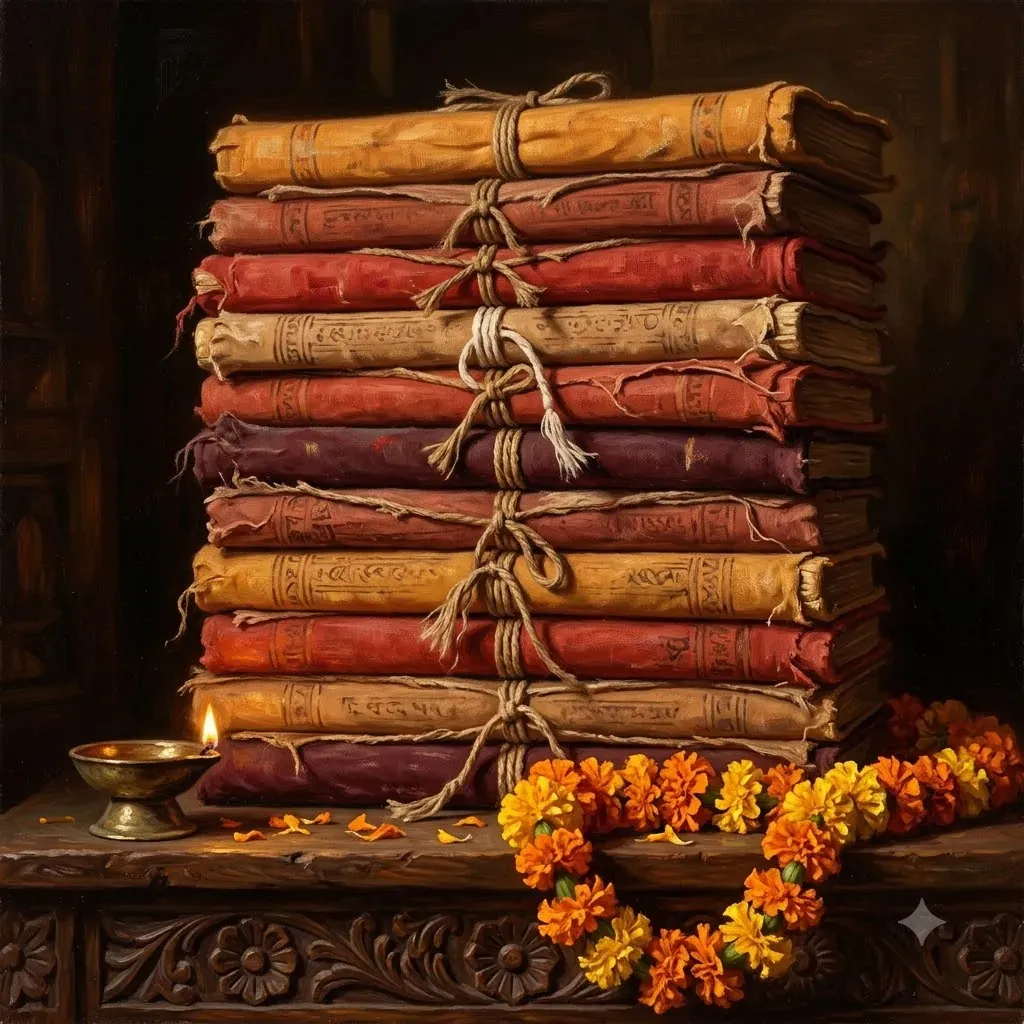
What are the names of the 18 Puranas in order?
The 18 Mahapuranas in order, with verse counts and subjects
Are there 51, 52 or 108 Shakti Peethas?
The 51 Shakti Peethas of the Pithanirnaya: limb, place, state and country, with the disputes
Popular deities
All deities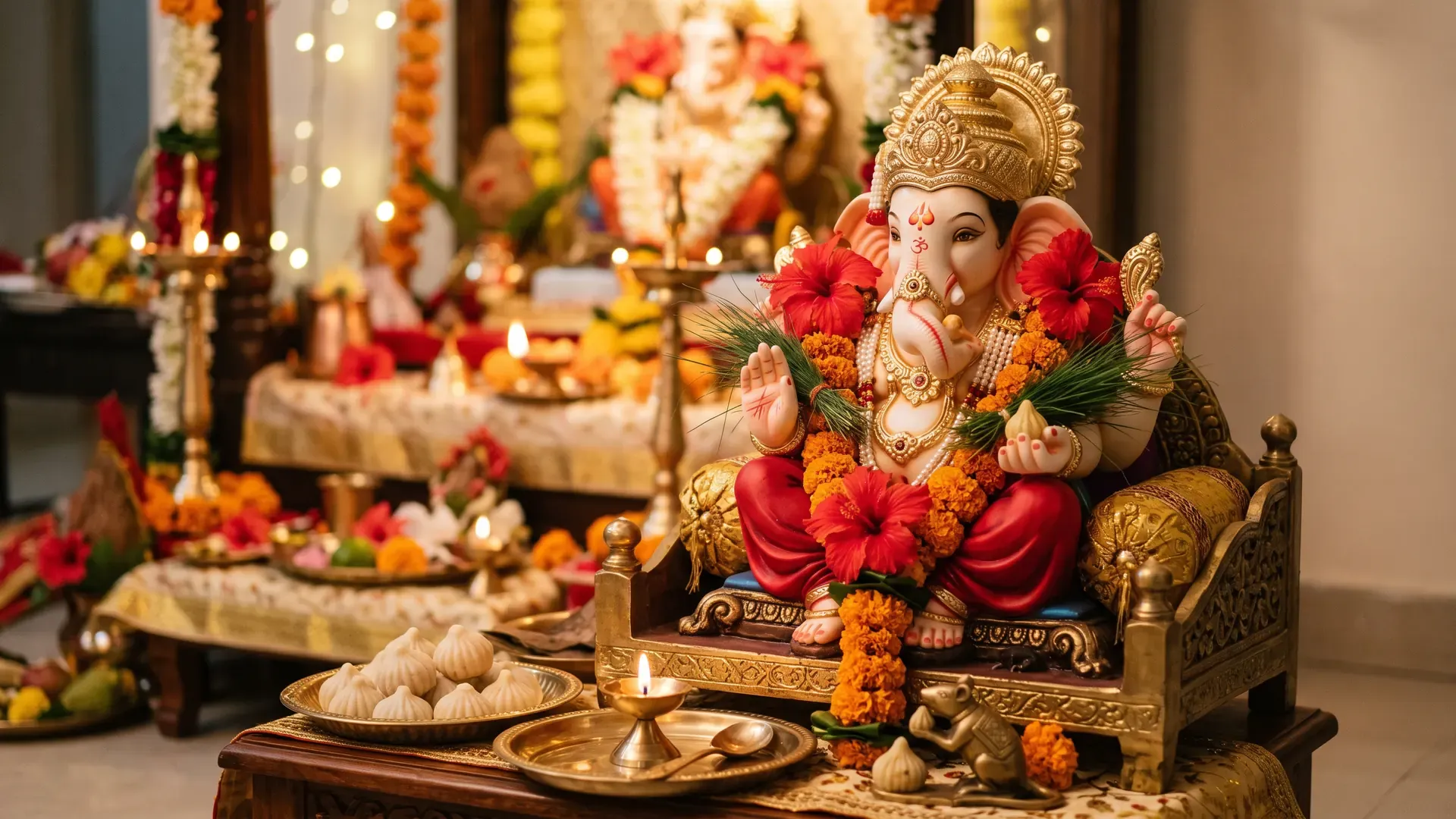 Ganesha
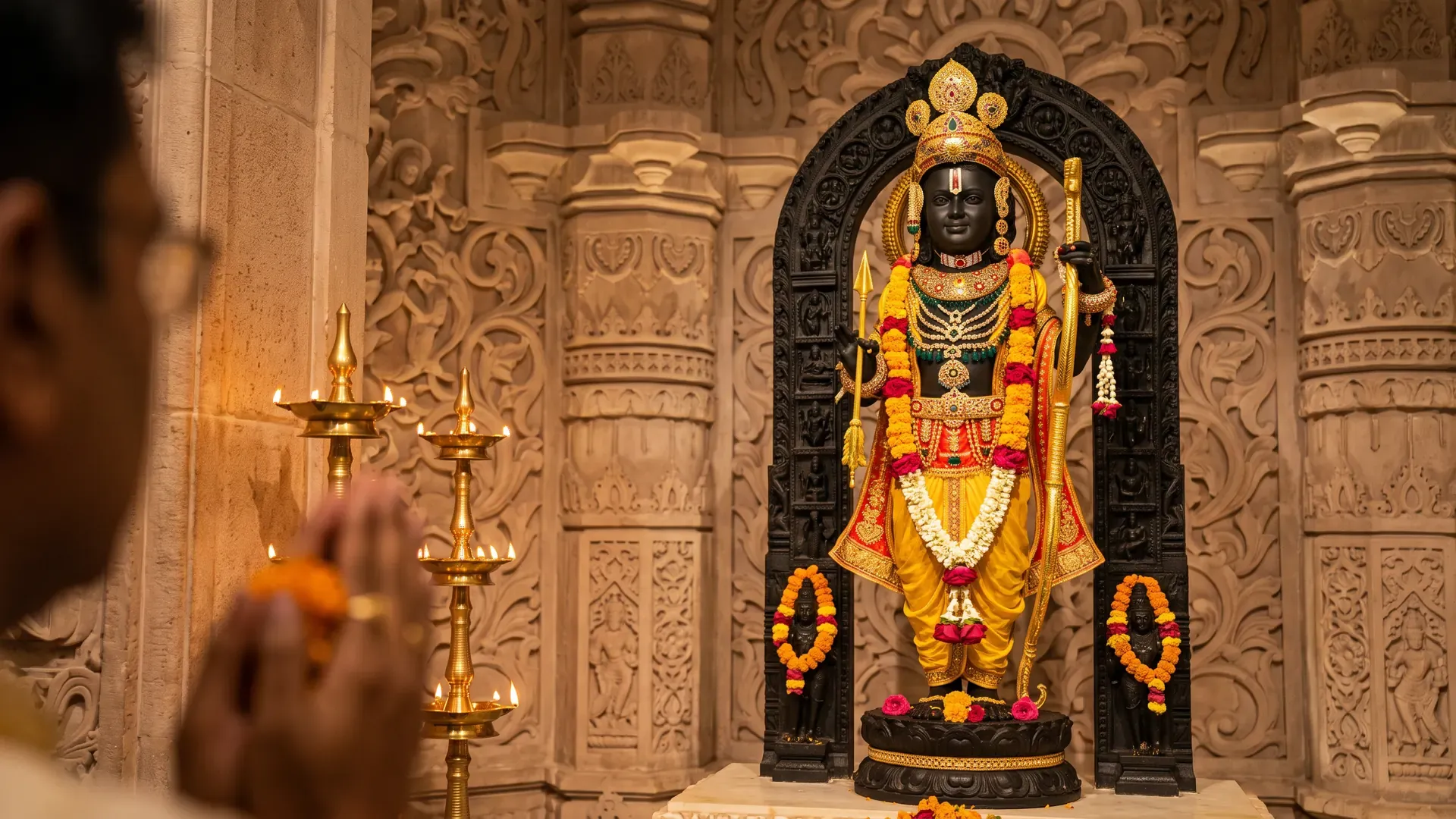 Rama
Rama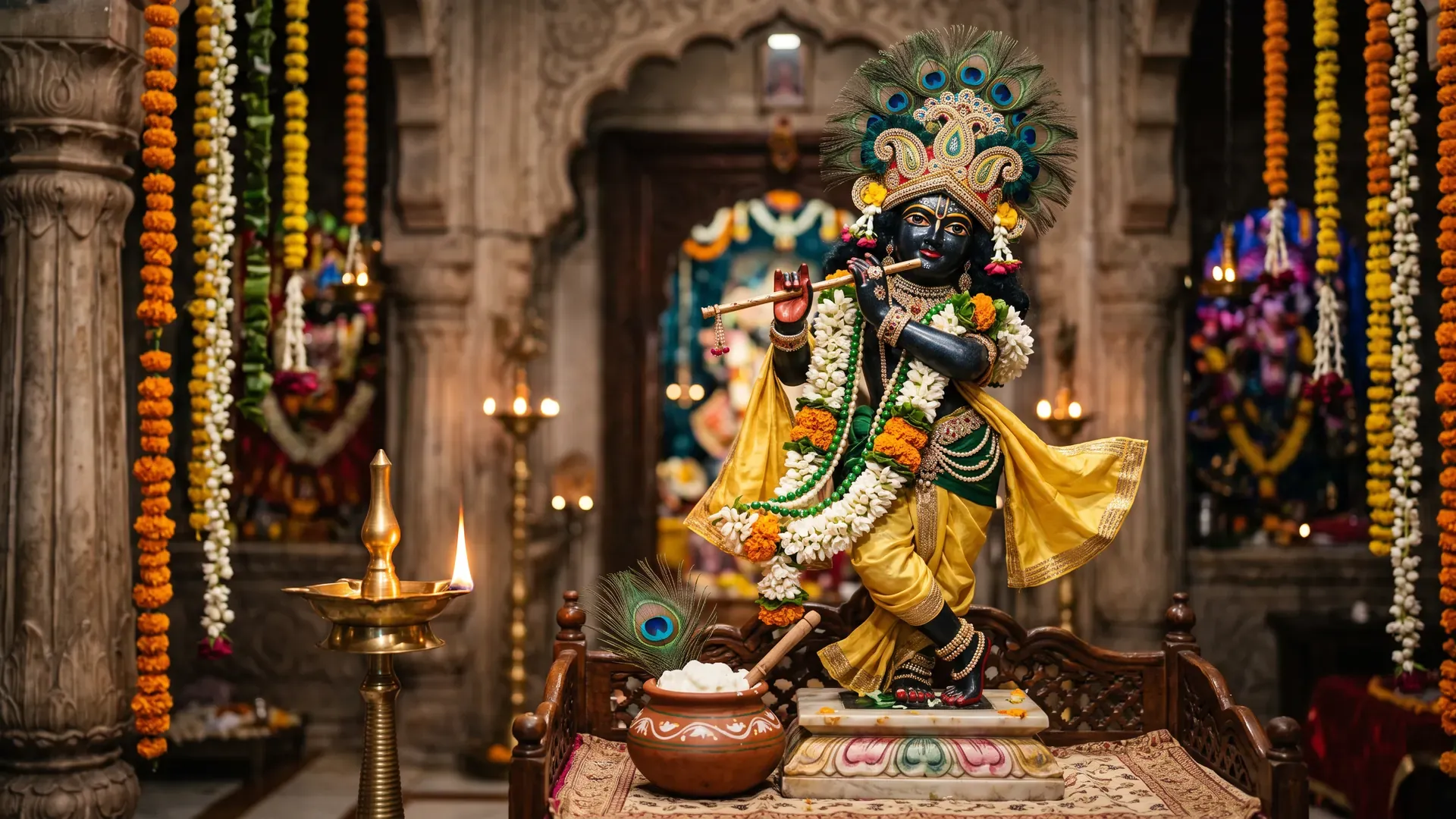 Krishna
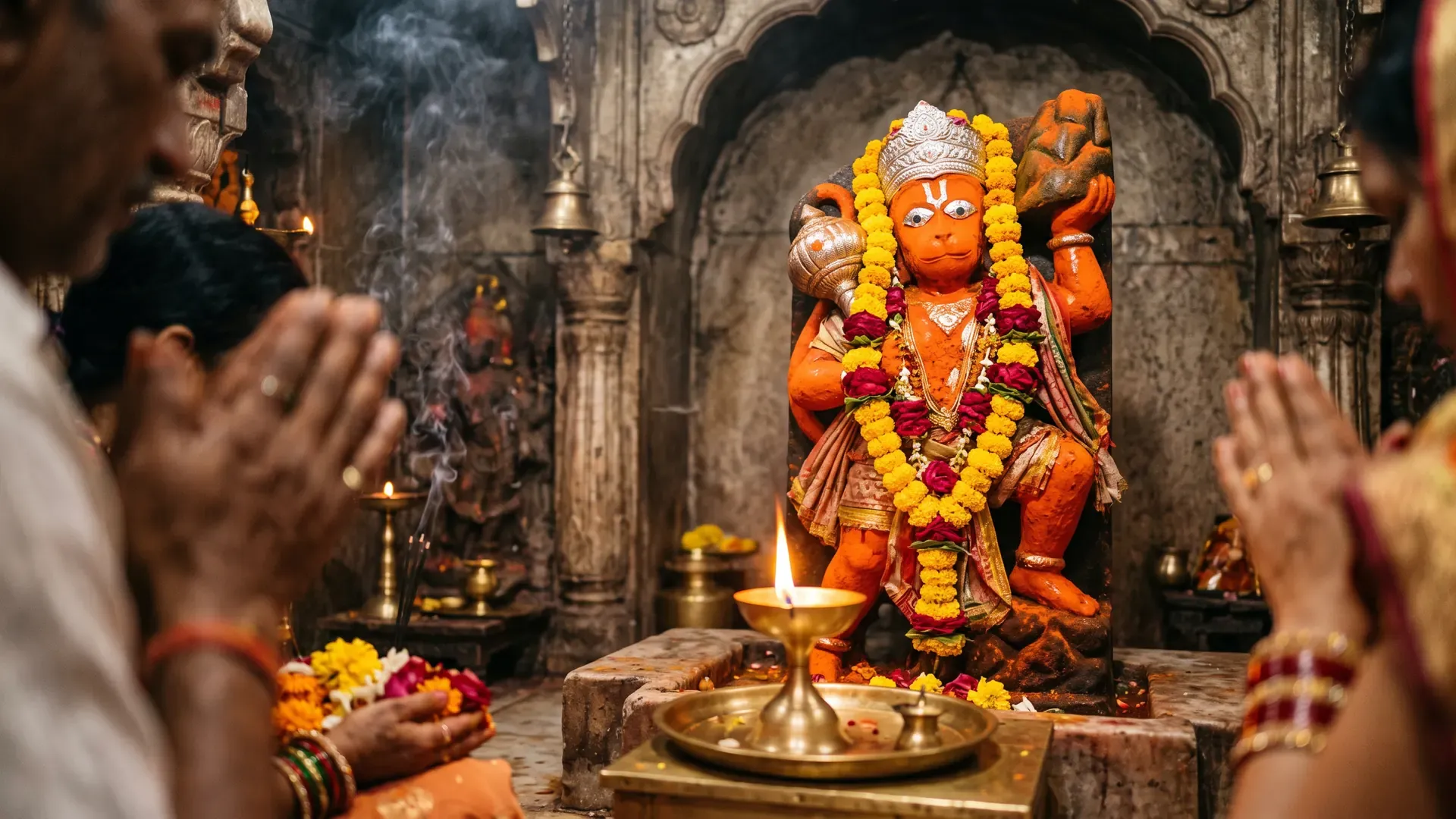 Hanuman
Major scriptures
All scriptures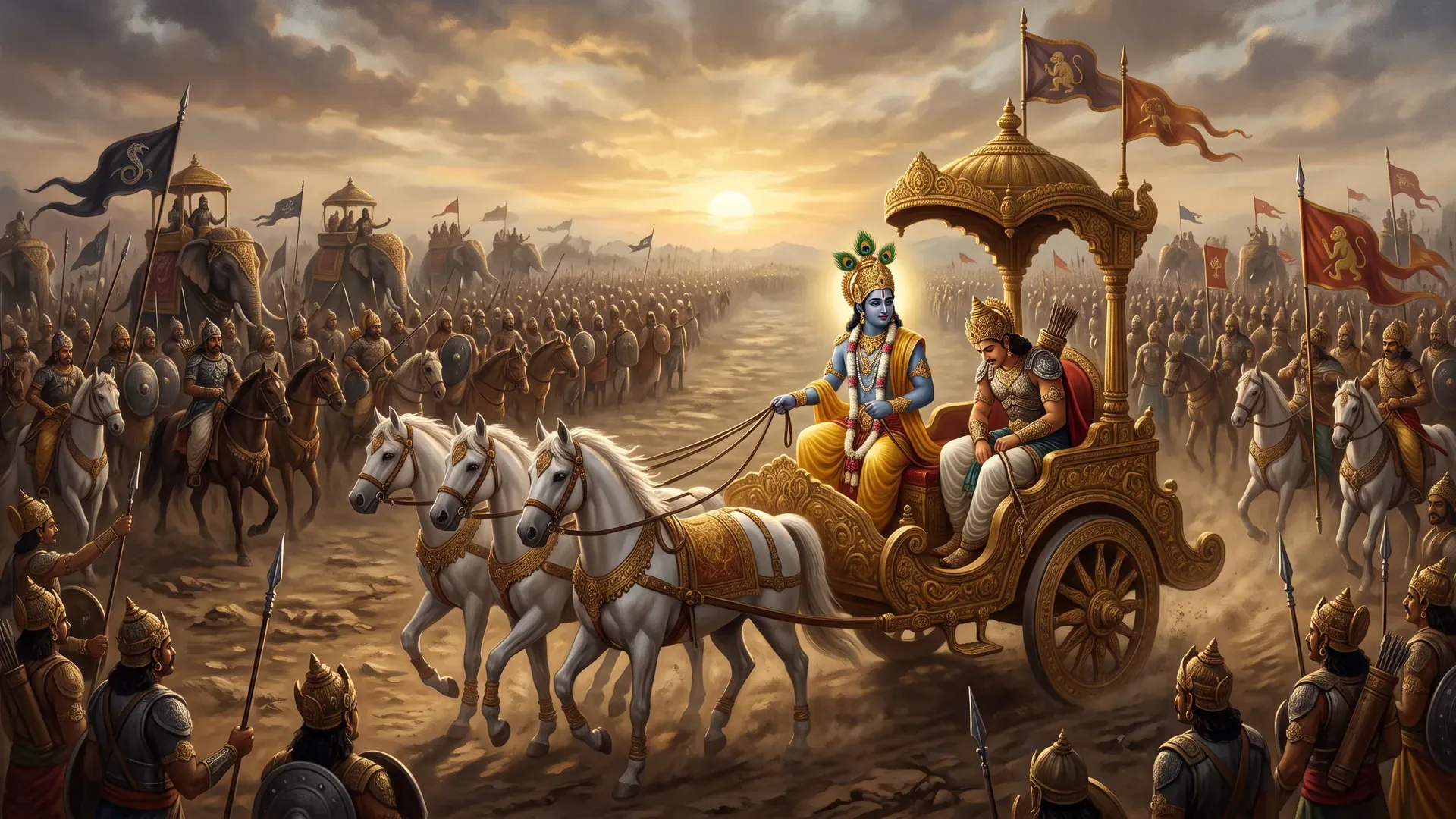 Bhagavad Gita
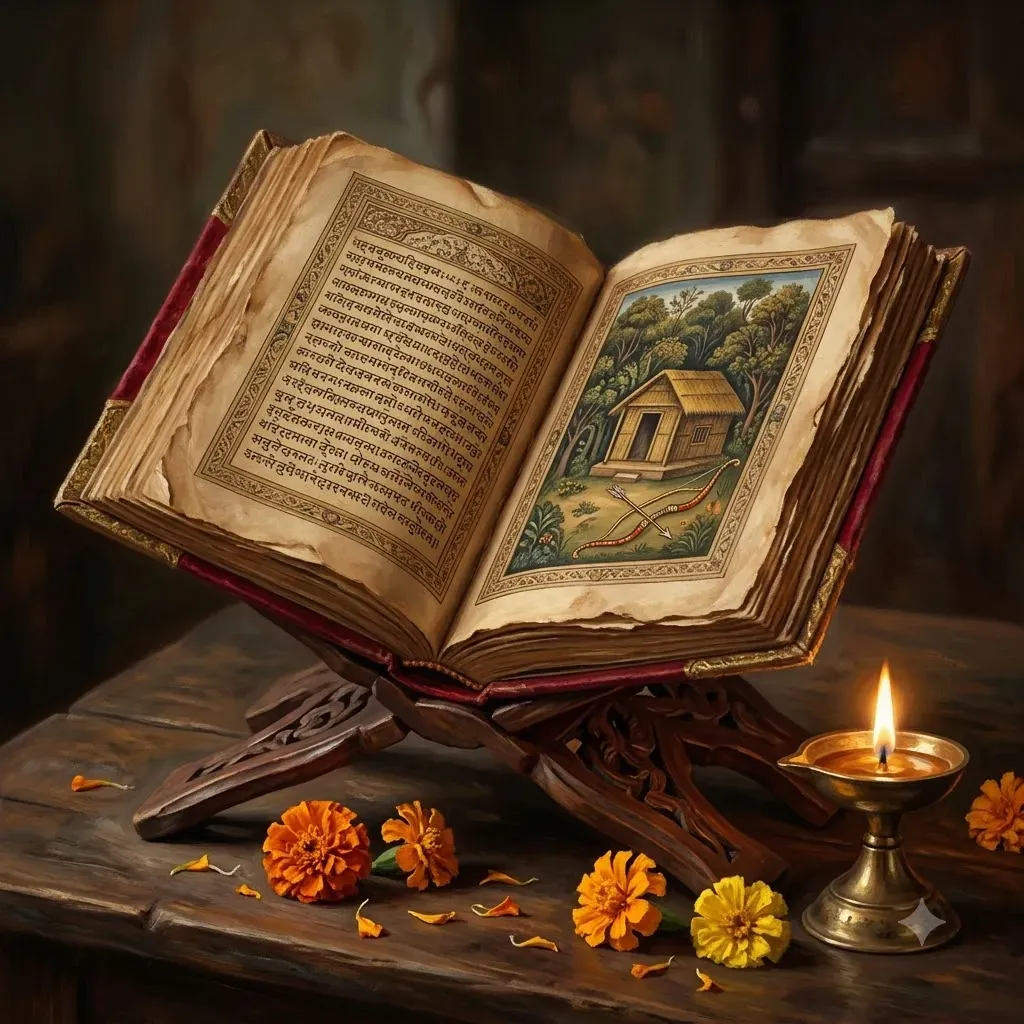 Ramayana
 Mahabharata
Sacred tirthas
87 temples and tirthas · 38 states and regions · 6 countries
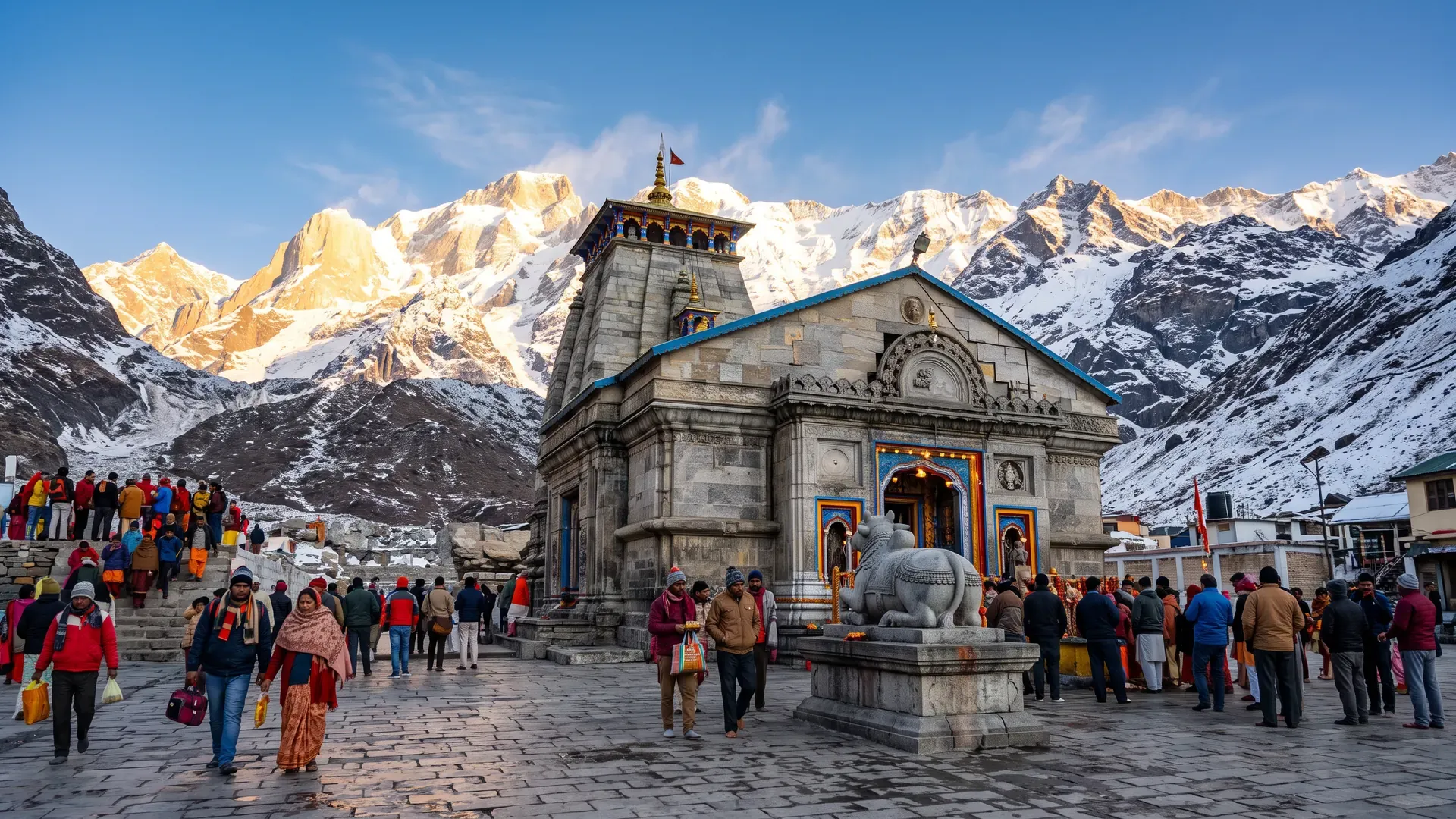 KedarnathKedarnath, UttarakhandJyotirlingas 11/12 · Chhota Char Dham 3/4 · Panch Kedar 1/5
Choose where to begin
- Start here
I am new to this
The basics of Sanatan Dharma
- Start here
Know the deities
Deities, avatars, families, stories
- Start here
Understand the scriptures
Vedas, Upanishads, Puranas, Gita
- Start here
Know the tirthas
Char Dham, Jyotirlingas, Shakti Peethas
A source behind every fact
Our aim is not only to give information but to show where it comes from.
- Authentic sources
- Plain language
The whole directory
All 50 pages, by subject
Sampradayas
15 pagesShaiva, Vaishnava, Shakta and Smarta traditions, their teachers and philosophies
- List · 7The main sampradayas of HinduismThe four main traditions and the six paths of the Shanmata, with deities and philosophies
- List · 4The four Vaishnava sampradayasSri, Brahma, Rudra and Kumara: teachers, philosophies and centres
- List · 4The four Shankaracharya maths (peeths)The four amnaya maths: direction, Veda, mahavakya and first teacher
- Shaivism (Shaiva sampradaya)The tradition that holds Shiva supreme: schools, texts, tilak and festivals
- Vaishnavism (Vaishnava sampradaya)Devotion to Vishnu and his avatars: teachers, philosophies, texts and tilak
- Shaktism (Shakta sampradaya)The tradition that holds the Goddess supreme: texts, centres and festivals
- The Smarta tradition (Smarta sampradaya)The tradition of the smriti: panchayatana puja and Shankara’s Advaita
- PushtimargVallabha’s path of devotion to Krishna: Shrinathji, Shuddhadvaita and seva
- The Nimbarka sampradayaNimbarka’s tradition: Dvaitadvaita and the worship of Radha-Krishna
Show all 15Show fewer
- The Sri Vaishnava sampradayaRamanuja’s tradition: Lakshmi-Narayana, Vishishtadvaita and the Divya Prabandham
- The Madhva sampradayaMadhva’s tradition: Dvaita (Tattvavada), Krishna of Udupi and the eight mathas
- Gaudiya VaishnavismChaitanya’s tradition: Radha-Krishna devotion, sankirtan and Achintya-bhedabheda
- The Ramanandi sampradayaRamananda’s tradition: devotion to Rama and Sita, Vairagi ascetics and Ayodhya
- The Varkari sampradayaDevotion to Vitthal of Pandharpur: the wari, the abhangs and the saints
- The Swaminarayan sampradayaSahajanand Swami’s tradition: Shikshapatri, Vachanamrut and two dioceses
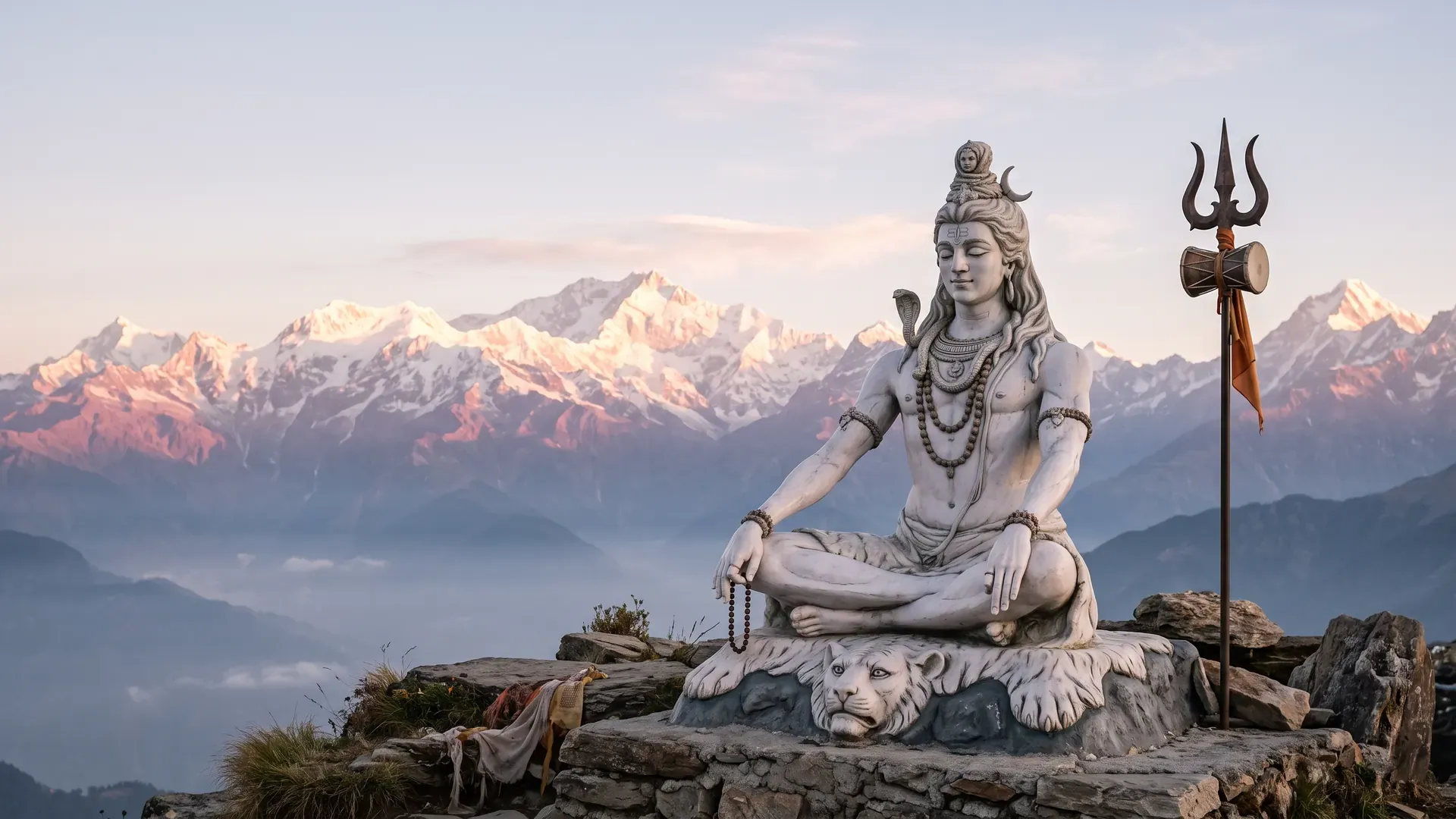
Deities
17 pagesGods and goddesses, their families and where the texts speak of them
- ShivaOne of the Trimurti, the god of dissolution and renewal. In the Shaiva tradition, the supreme Brahman.
- GaneshaSon of Shiva and Parvati, the remover of obstacles and the first to be worshipped in every auspicious undertaking. His vehicle is the mouse.
- RamaHero of the Ramayana, son of King Dasharatha of Ayodhya. Regarded as the seventh avatar of Vishnu.
- KrishnaSpeaker of the Bhagavad Gita, son of Vasudeva and Devaki. Regarded as the eighth avatar of Vishnu.
- HanumanA principal character of the Ramayana and the supreme devotee of Rama. Minister to Sugriva, king of the vanaras.
- DurgaA form of Adi Shakti, whose nine forms are worshipped during Navratri. In the Durga Saptashati she slays asuras such as Mahishasura and Shumbha and Nishumbha.
Show all 17Show fewer
- LakshmiGoddess of wealth, prosperity and good fortune, wife of Lord Vishnu. According to the Bhagavata Purana, she emerged from the churning of the ocean (samudra manthan).
- ShailputriThe first of the nine Durgas, worshipped on the first day of Navratri. Daughter of Himalaya, king of the mountains, hence the name Shailaputri; she rides a bull and holds a trident and a lotus.
- BrahmachariniThe second of the nine Durgas, worshipped on the second day of Navratri. Here ‘brahma’ means tapas: the goddess who practises austerity, holding a rosary and a water-pot.
- ChandraghantaThe third of the nine Durgas, worshipped on the third day of Navratri. A bell-shaped half-moon on her forehead gives her the name; her ten arms bear weapons.
- KushmandaThe fourth of the nine Durgas, worshipped on the fourth day of Navratri. Her eight arms give her the name Ashtabhuja too; her mount is a lion.
- SkandamataThe fifth of the nine Durgas, worshipped on the fifth day of Navratri. The child Skanda (Kartikeya) sits on her lap, hence the name.
- KatyayaniThe sixth of the nine Durgas, worshipped on the sixth day of Navratri; her mount is a lion. In the Bhagavata Purana (10.22.4) the unmarried gopis of Vraja worship the goddess Katyayani.
- KalaratriThe seventh of the nine Durgas, worshipped on the seventh day of Navratri. Dark as deep night, with a donkey for her mount; fearsome in form yet held to bring good, so she is also called Shubhankari.
- MahagauriThe eighth of the nine Durgas, worshipped on Durga Ashtami. Very fair, dressed in white, and riding a white bull.
- SiddhidatriThe ninth of the nine Durgas, worshipped on Maha Navami. Her four arms hold a discus, mace, conch and lotus; she rides a lion and is also shown seated on a lotus.
Scriptures
6 pagesVedas, Upanishads, Puranas, the epics and the Gita
- List · 18The 18 PuranasThe 18 Mahapuranas in order, with verse counts and subjects
- List · 4The four VedasRig, Yajur, Sama, Atharva: what each holds, its Upaveda, Brahmanas and Upanishads
- List · 13How many Upanishads are there, and their namesThe 108 Upanishads, the 10 principal ones and the Veda of each
- List · 7The seven kandas of the RamayanaThe seven kandas of Valmiki’s Ramayana, with sargas and story
- List · 18The 18 parvas of the MahabharataThe 18 parvas in order, with chapters and the story of each
Tirthas and dhams
8 pagesThe four dhams, Jyotirlingas, Shakti Peethas and the seven holy cities
- List · 4The Char Dham: Badrinath, Dwarka, Puri, RameswaramBadrinath, Dwarka, Puri and Rameswaram: the four dhams at the four quarters of India
- List · 4The Chota Char Dham of UttarakhandYamunotri, Gangotri, Kedarnath, Badrinath: the Uttarakhand Char Dham yatra in order
- List · 51The 51 Shakti PeethasThe 51 Shakti Peethas of the Pithanirnaya: limb, place, state and country, with the disputes
- List · 8AshtavinayakMaharashtra’s eight Ganesha temples, Morgaon to Ranjangaon, in the order of the yatra
- List · 7Sapta Puri: the seven cities of liberationAyodhya, Mathura, Haridwar, Kashi, Kanchi, Ujjain, Dwarka: the seven cities of the Garuda Purana
- List · 5Panch KedarKedarnath, Tungnath, Rudranath, Madhyamaheshwar, Kalpeshwar: the five Kedars of Shiva
- Directory · 87Temples and tirthas87 temples and tirthas: find them by list, deity, state or on the map
- List · 12The 12 JyotirlingasShiva’s twelve Jyotirlingas, in the order of the Dvadasha Jyotirlinga Stotra
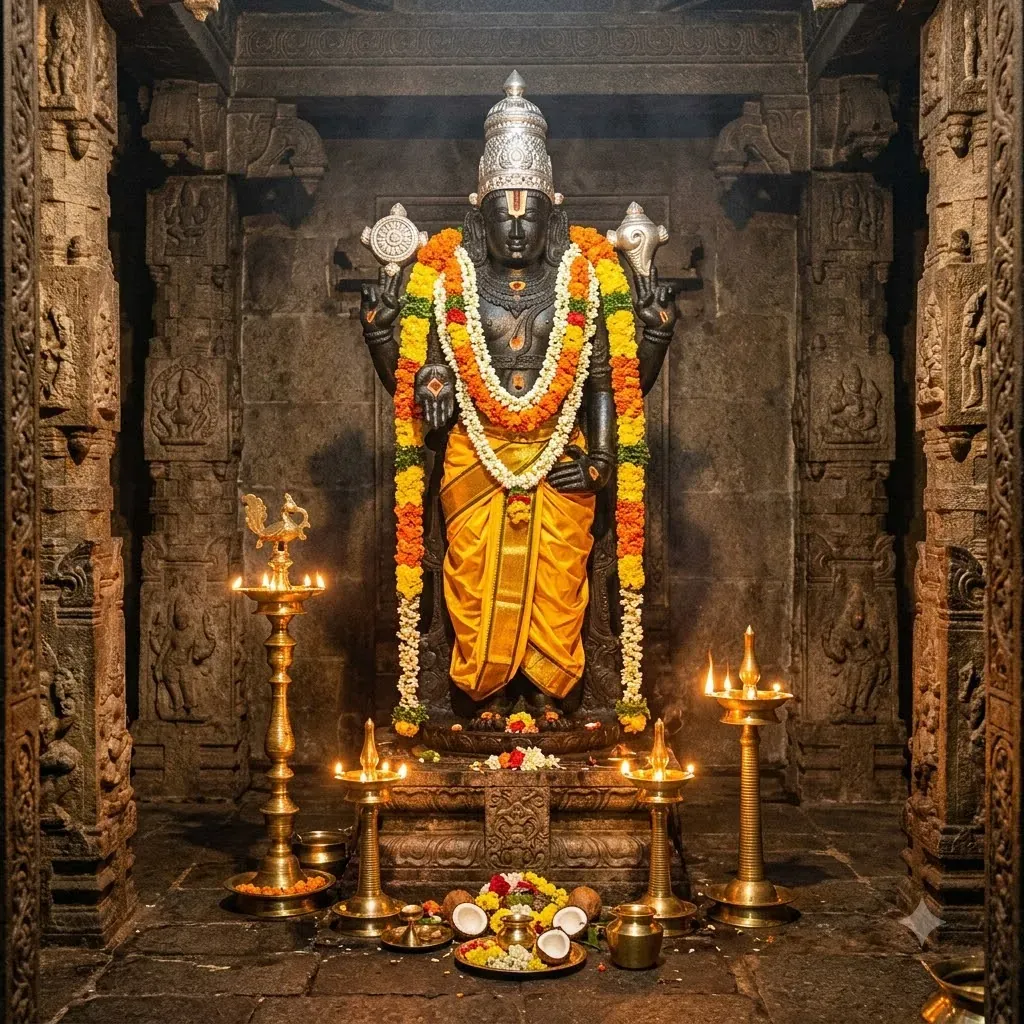
Avatars
10 avatarsThe avatars of Vishnu and their stories
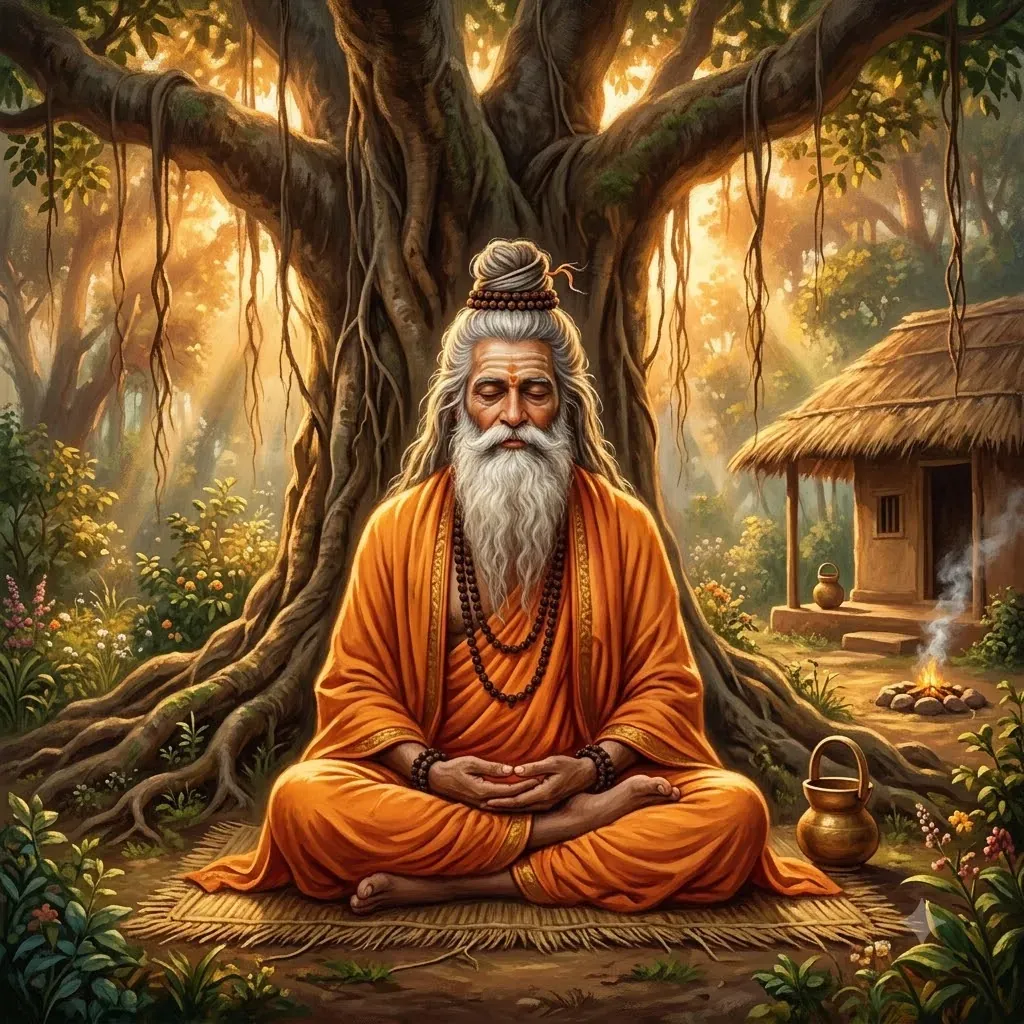
Rishis and saints
7 rishisThe seven rishis, the seers of the Vedas and the bhakti saints
Ideas
2 pagesDharma, karma, the self and the basic ideas of the darshanas
More on the site
5 pagesThe site’s other collections: festivals, kathas, aartis and the panchang