Deities
Who each deity is, their family and relations, and for every fact the scripture it comes from.
- 7 full pages
- 92 deities in the knowledge graph
- 52 aartis, chalisas and mantras
Full pages
Each page gives the introduction, family, symbols and what the scriptures say, with sources.
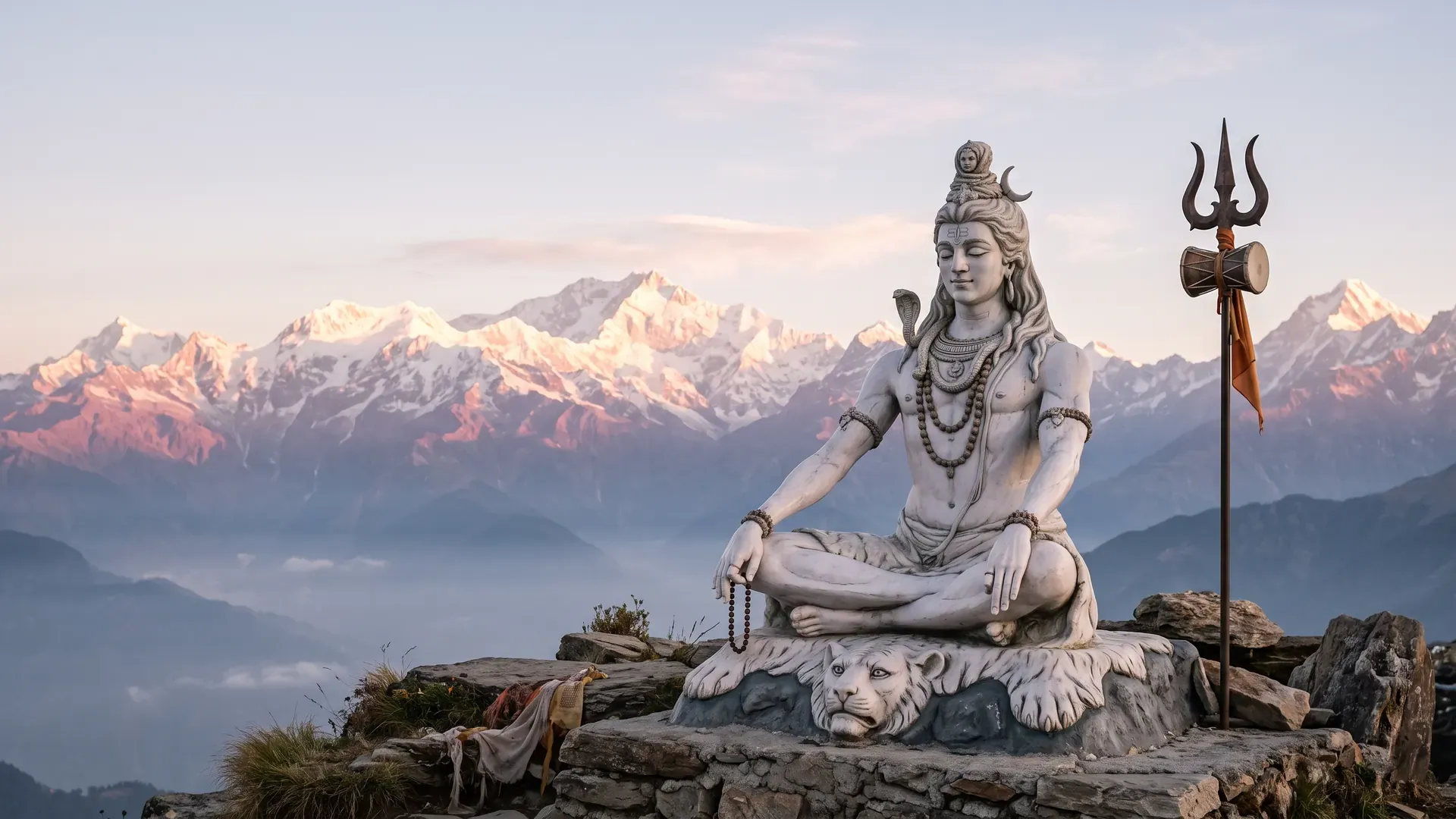 Lord ShivaGod of dissolution and renewalMahadevShankarBholenath
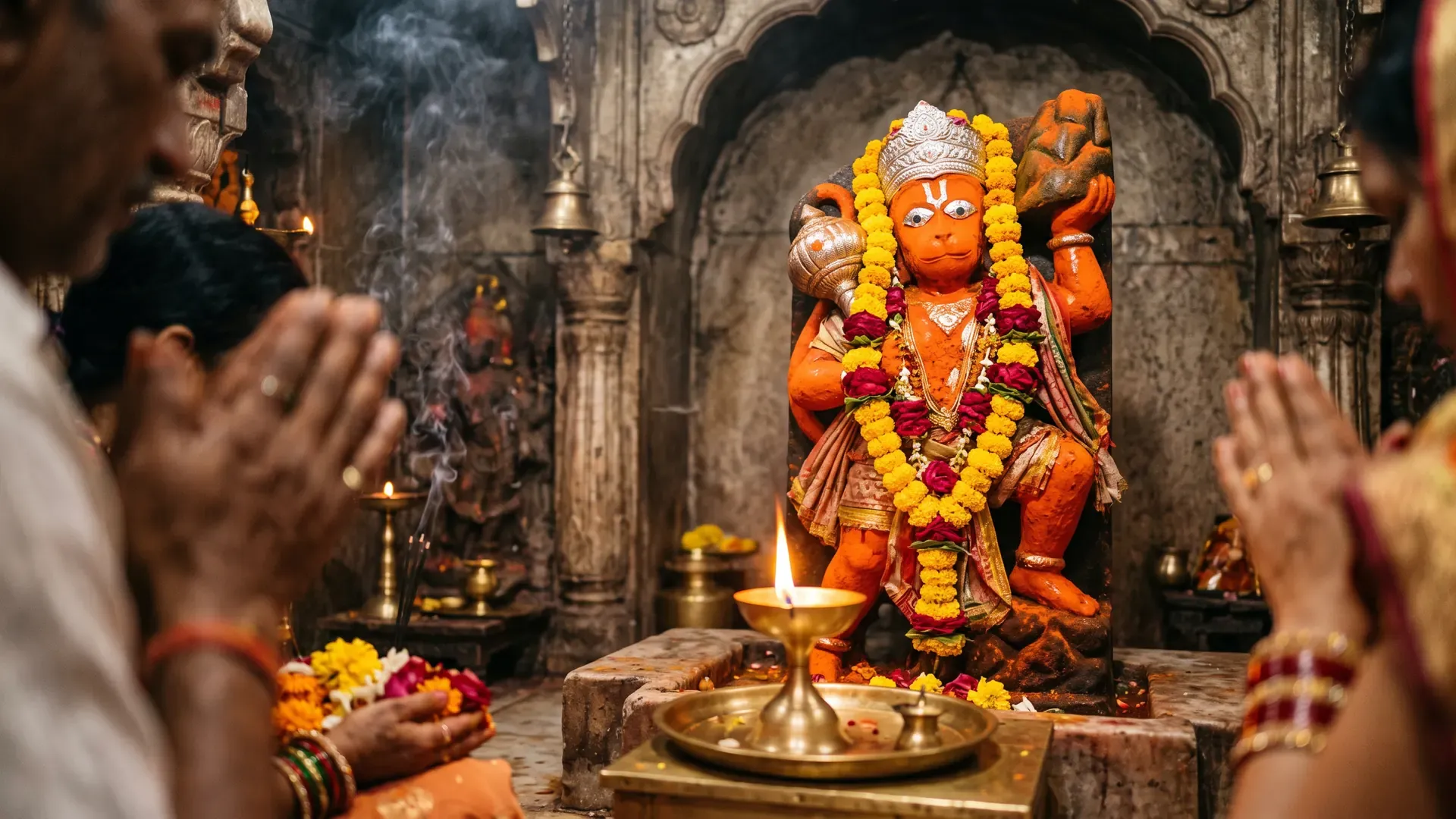 HanumanSupreme devotee of RamaAnjaneyaMarutiBajrangbali
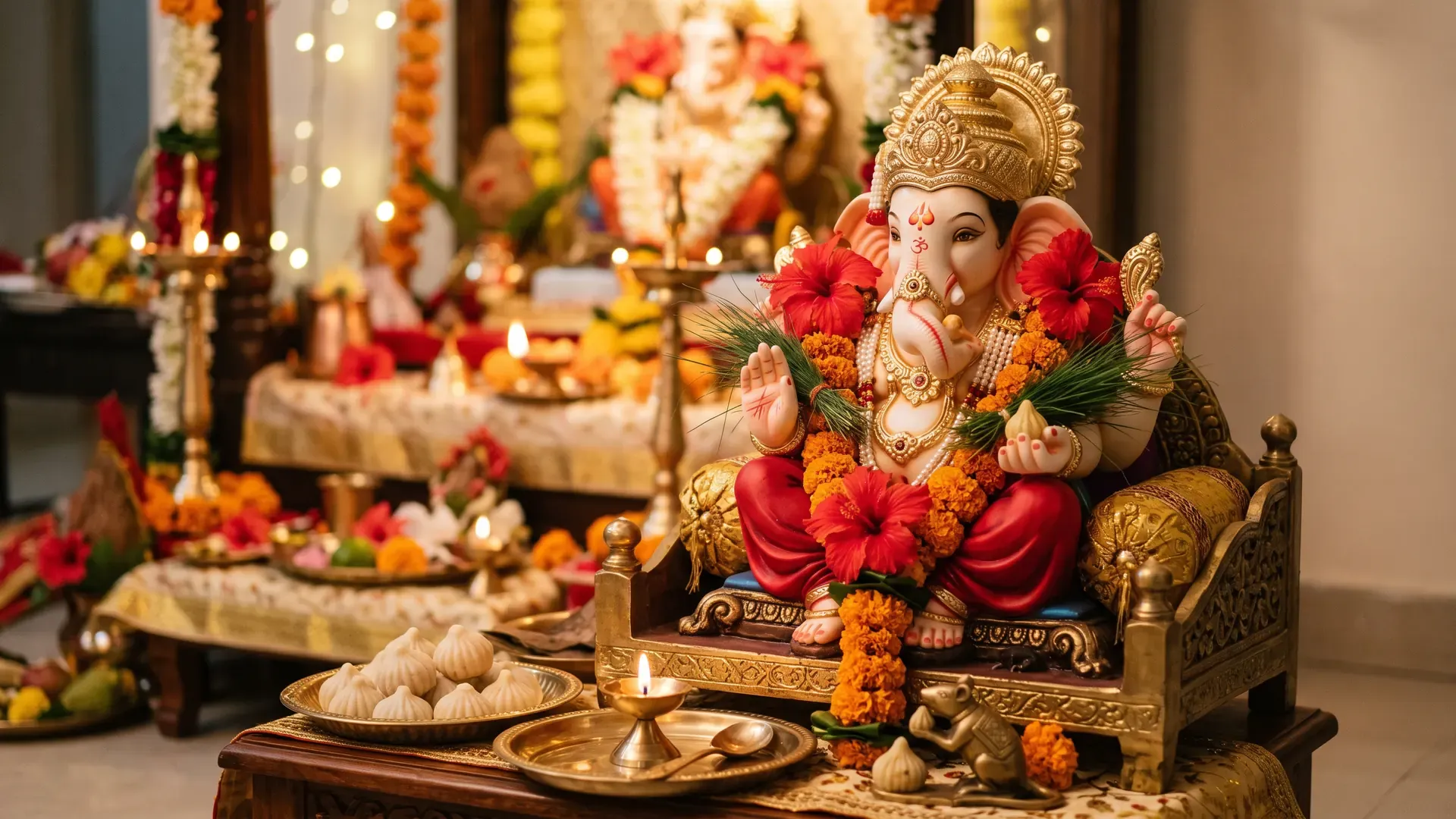 Lord GaneshaRemover of obstacles, worshipped firstGanpatiVinayak
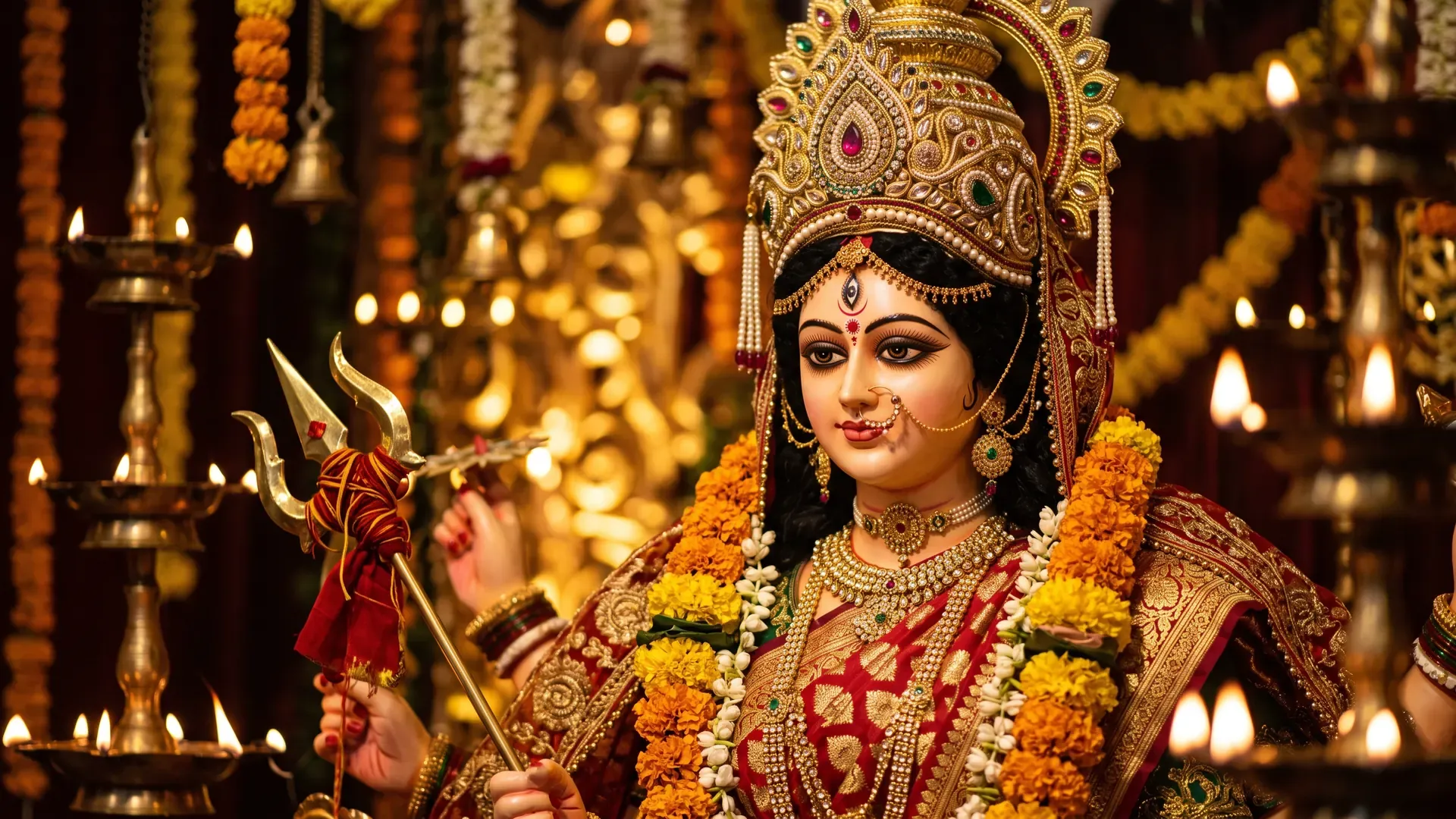 Goddess DurgaAdi Shakti, slayer of MahishasuraAmbaBhavani
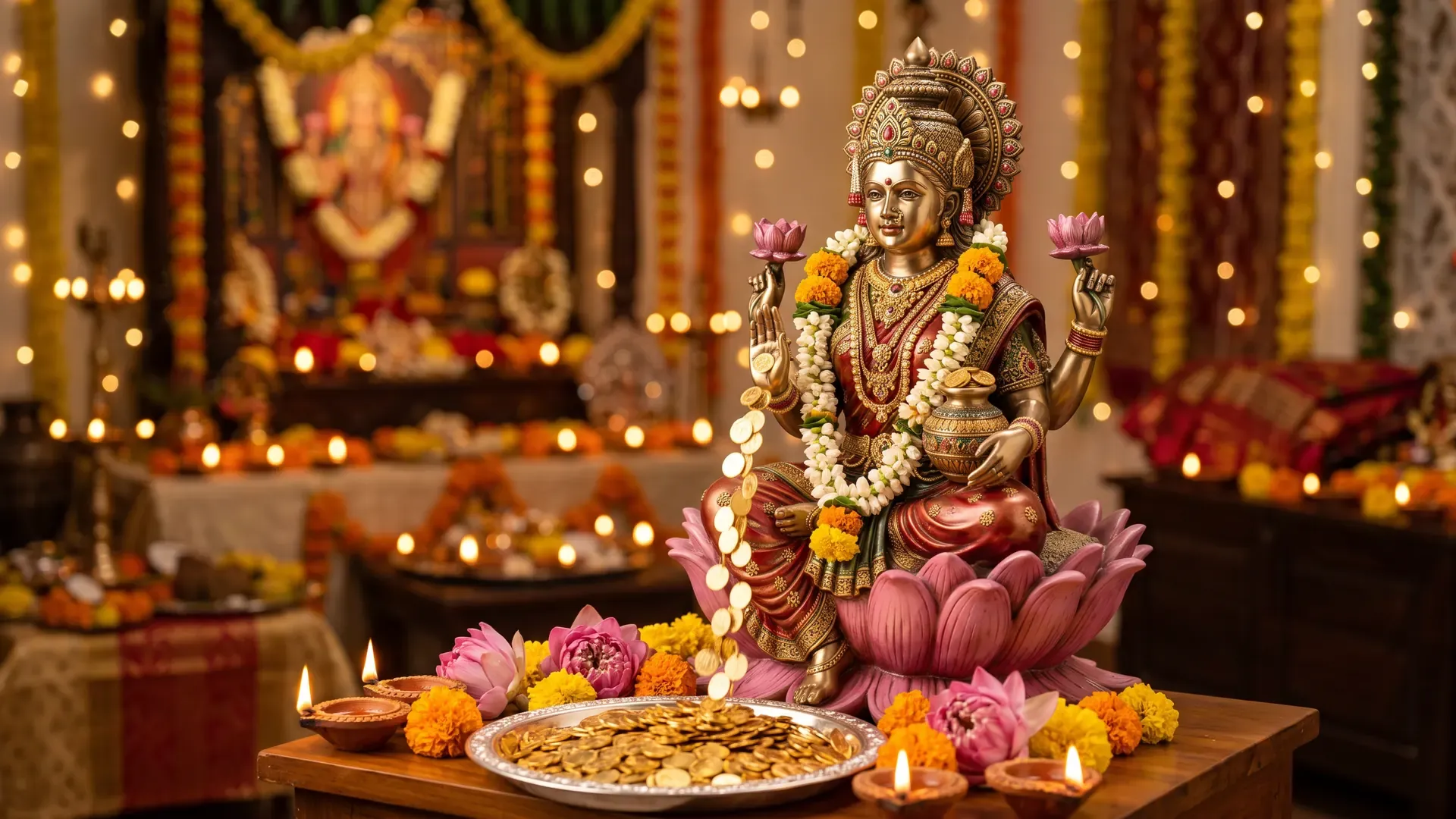 Goddess LakshmiGoddess of wealth and prosperityLaxmiShriKamala
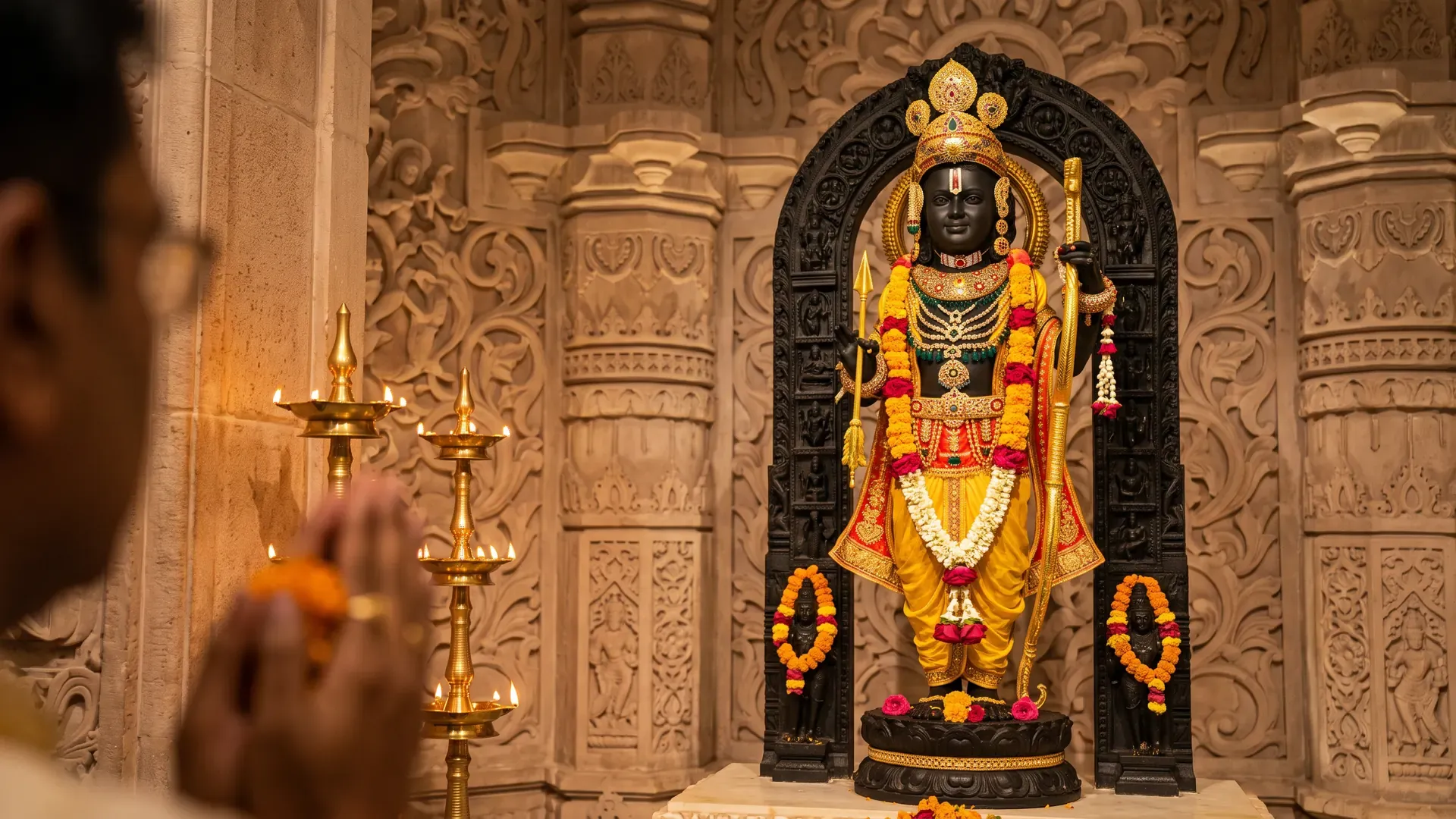 Lord RamaHero of the RamayanaShri Ram
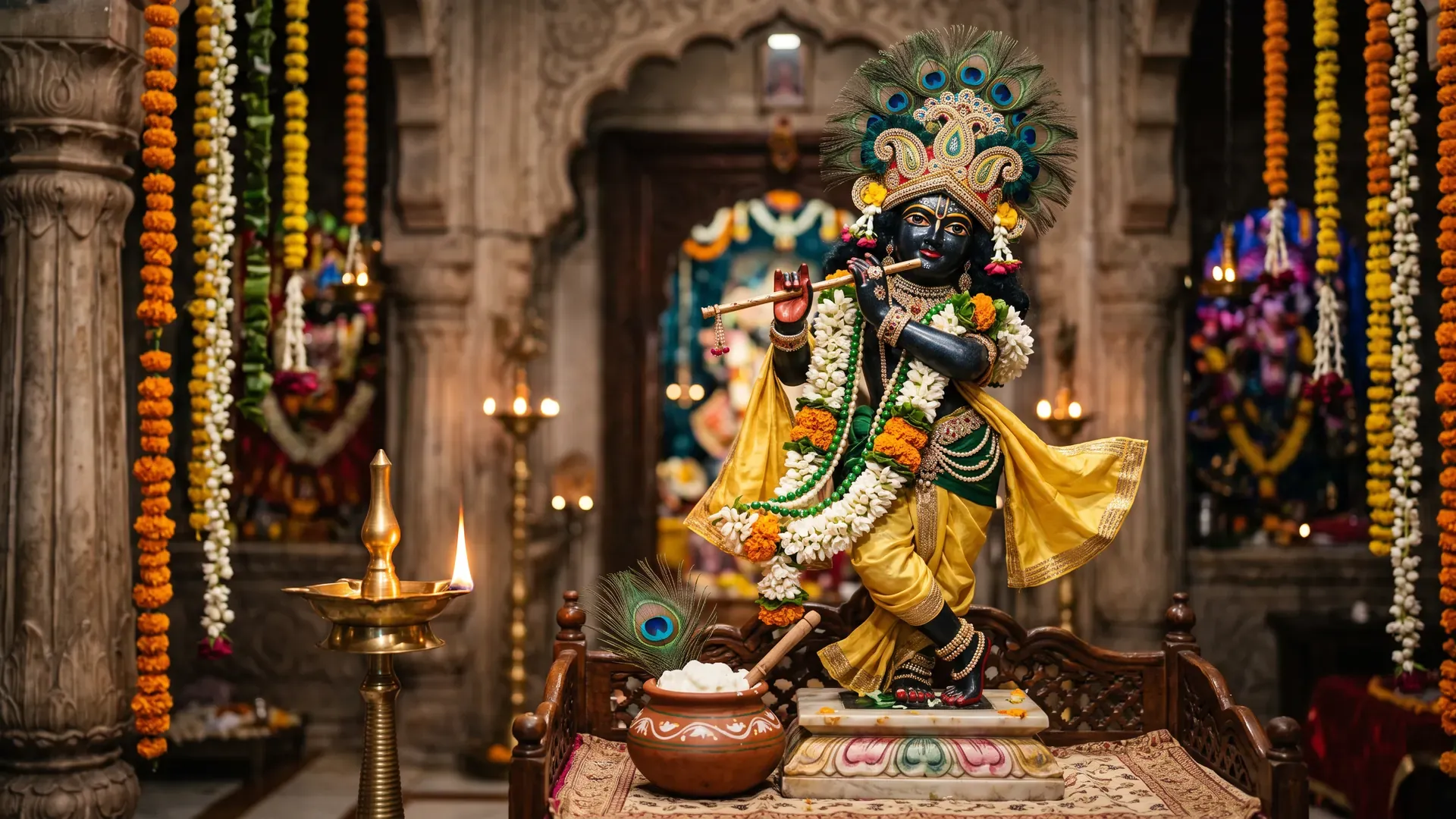 Lord KrishnaSpeaker of the GitaVasudevGovind
- More deities85 more in the knowledge graph, with their relations and sources
Images: made with AI
Worship by weekday
By custom, many North Indian homes sing one deity’s aarti on each weekday. Each card opens that day’s aarti.
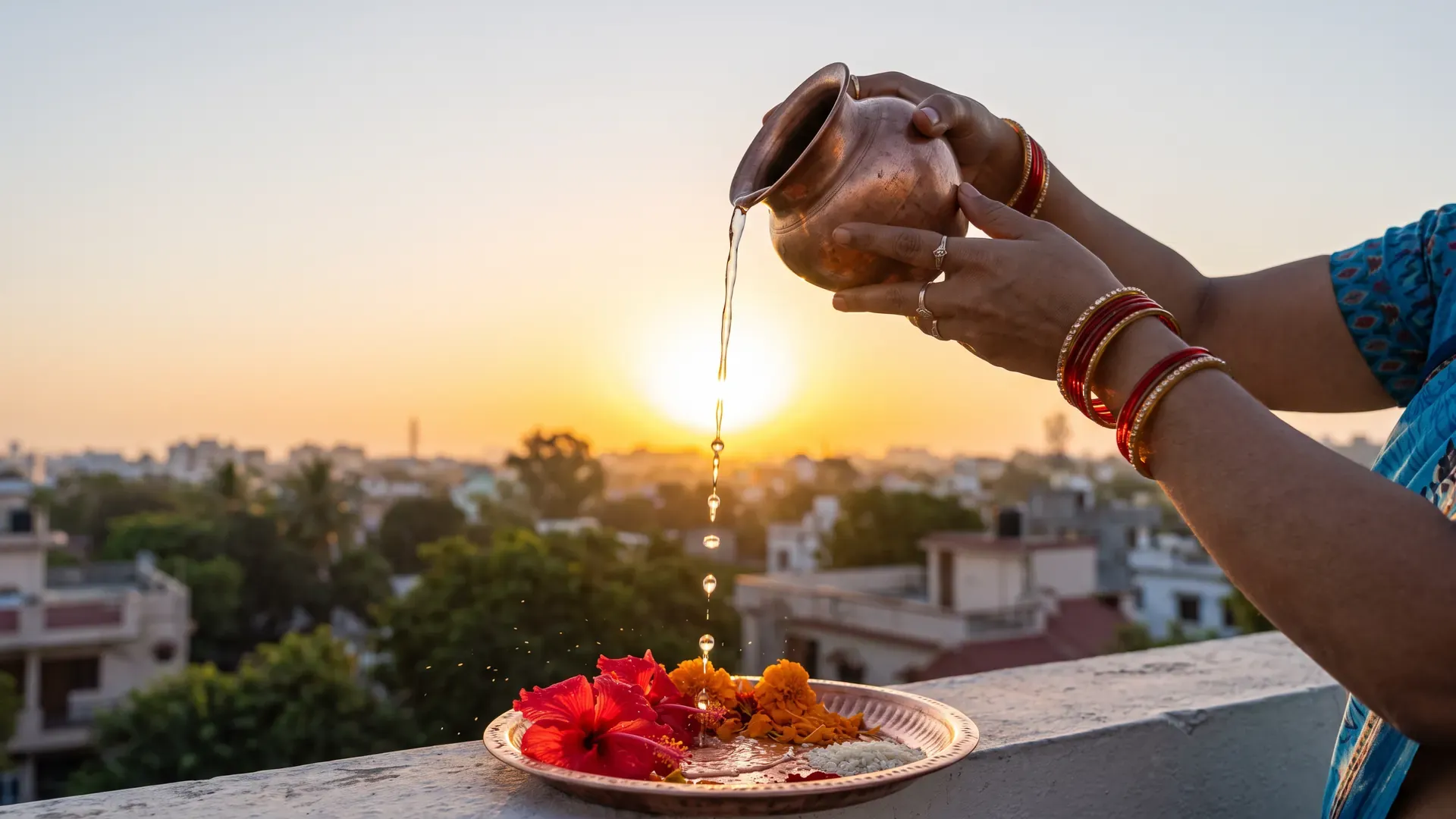 TodaySundaySurya DevSurya Aarti
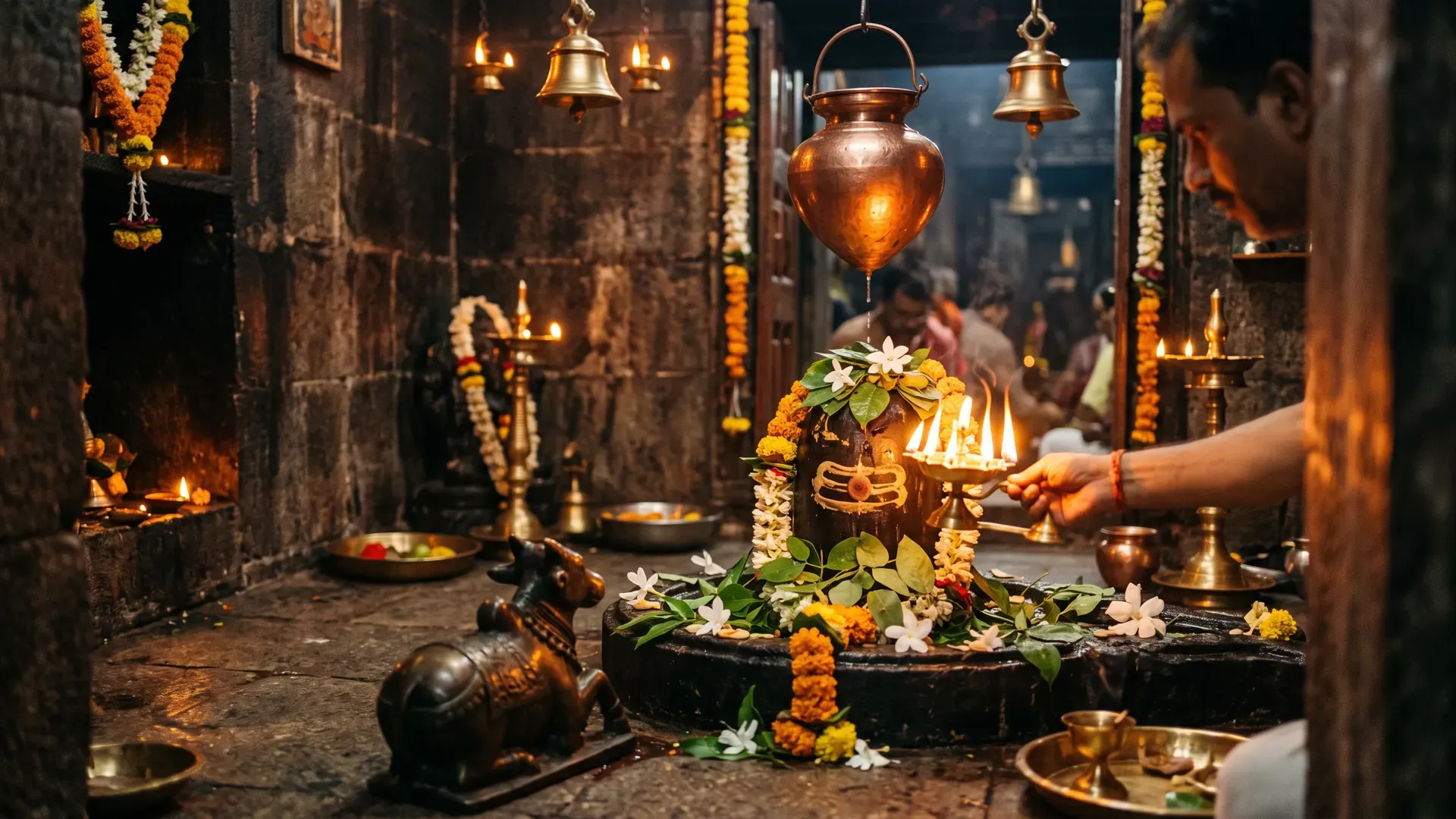 TodayMondayShivaShiv Aarti
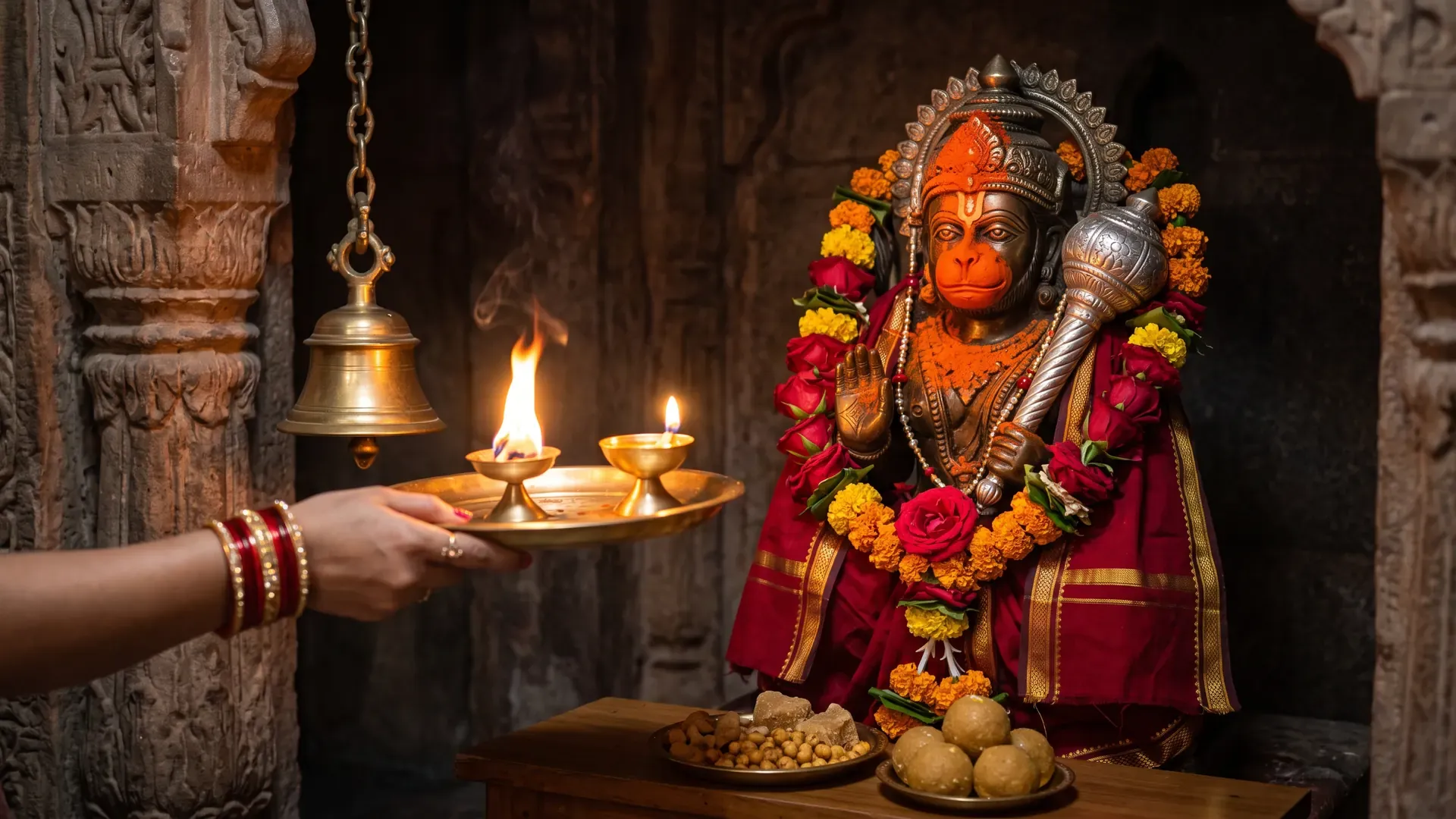 TodayTuesdayHanumanHanuman Aarti
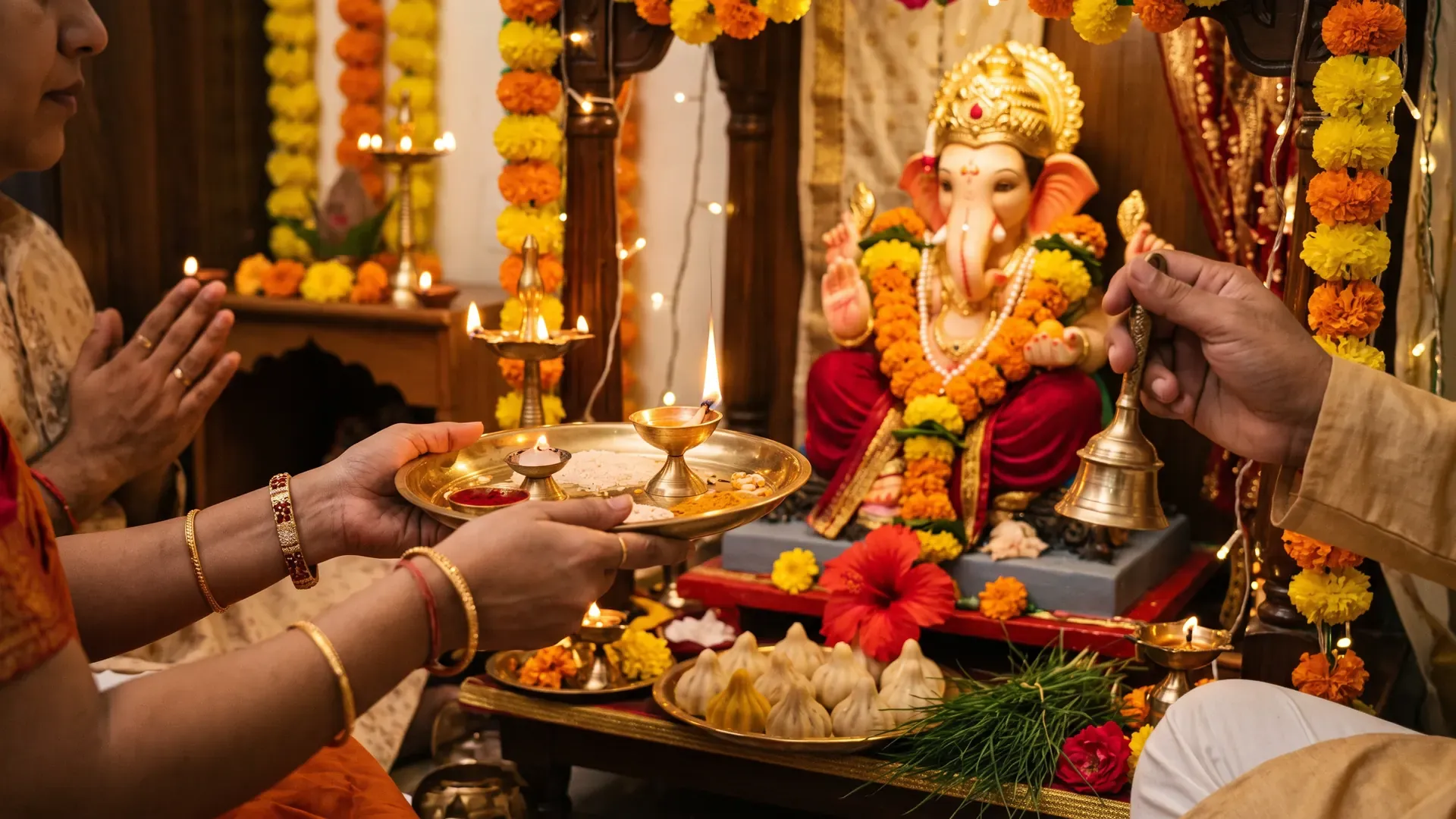 TodayWednesdayGaneshaGanesh Aarti
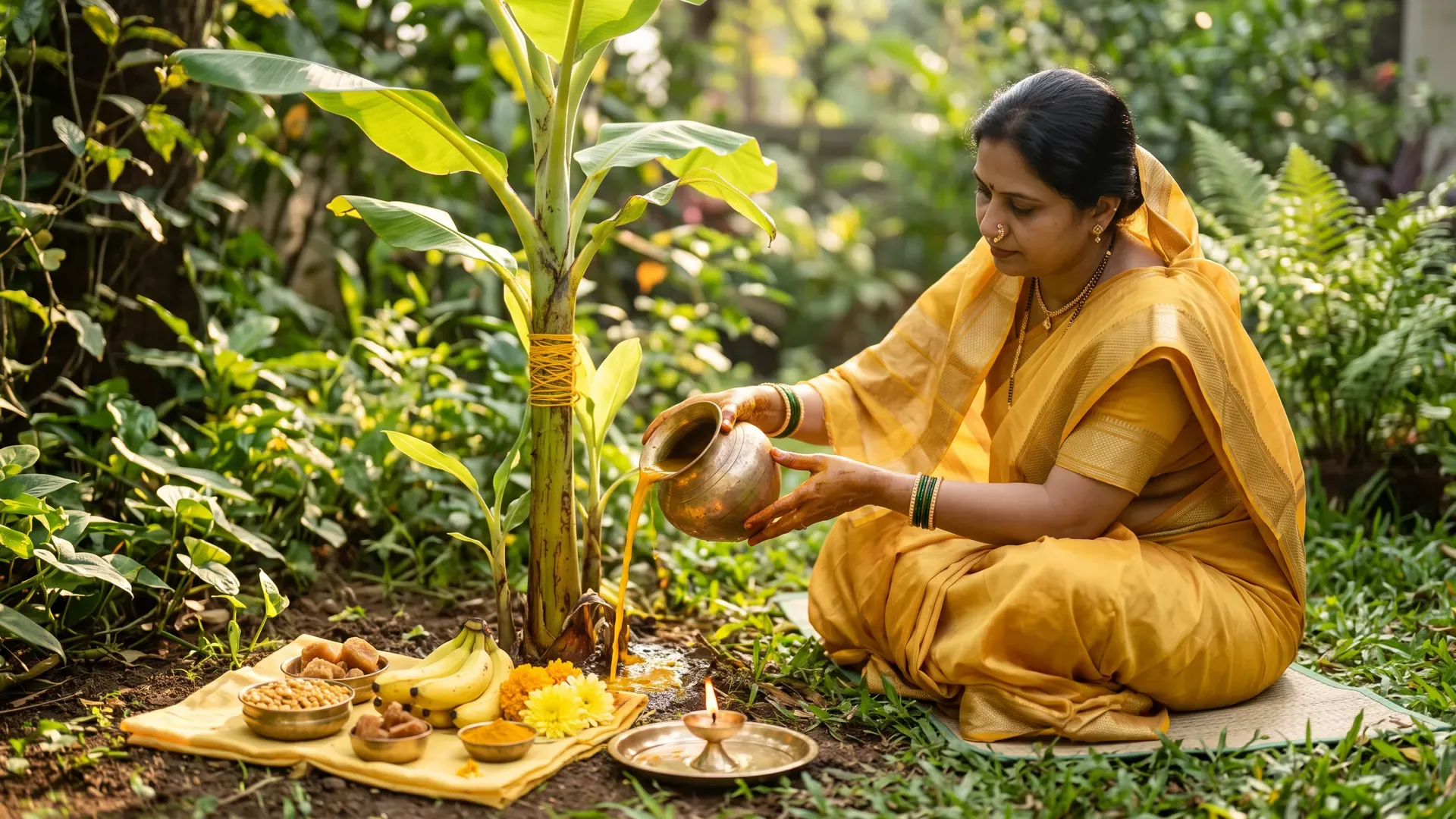 TodayThursdayBrihaspati, VishnuBrihaspati Dev Aarti
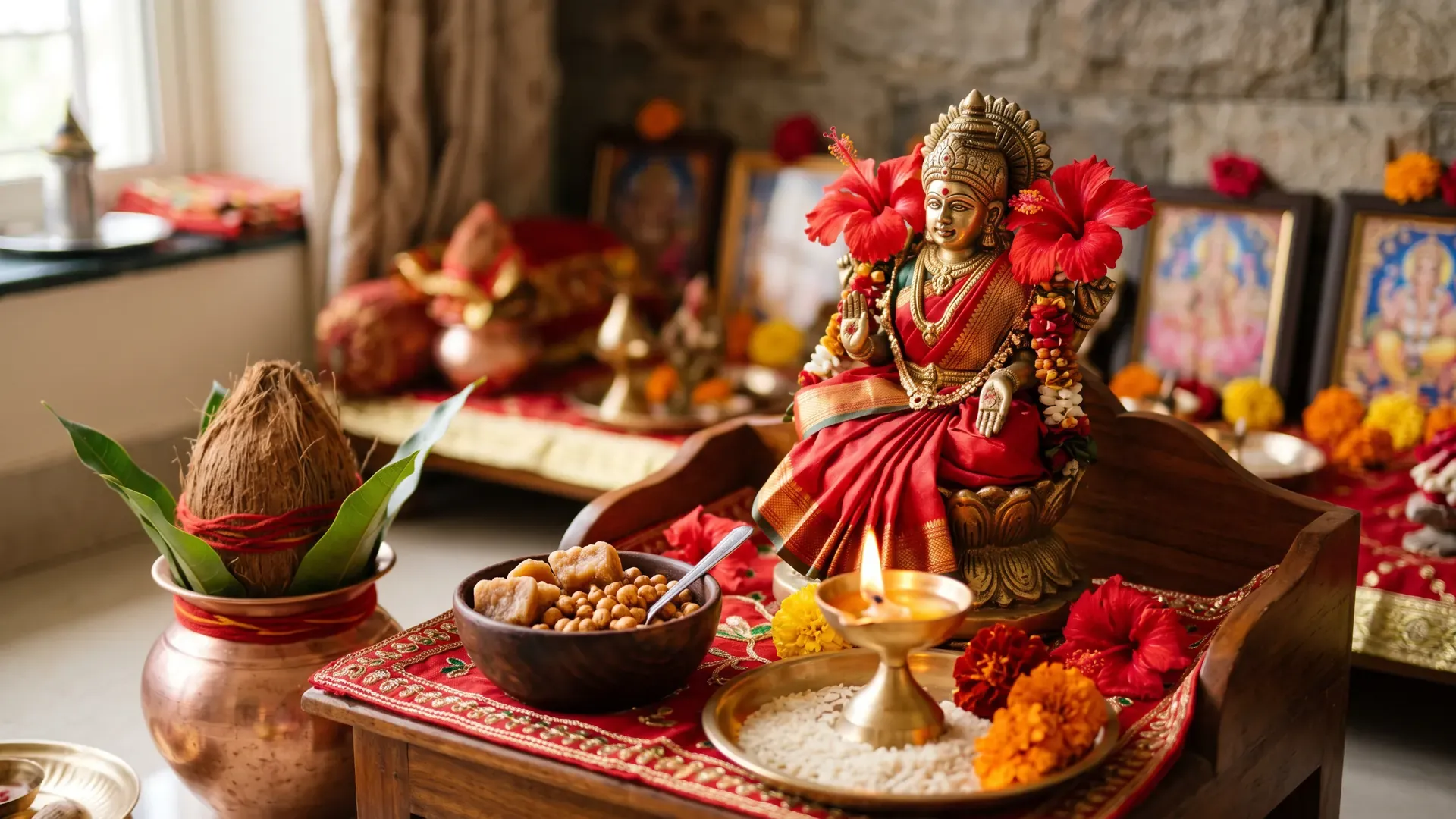 TodayFridaySantoshi Mata, LakshmiSantoshi Mata Aarti
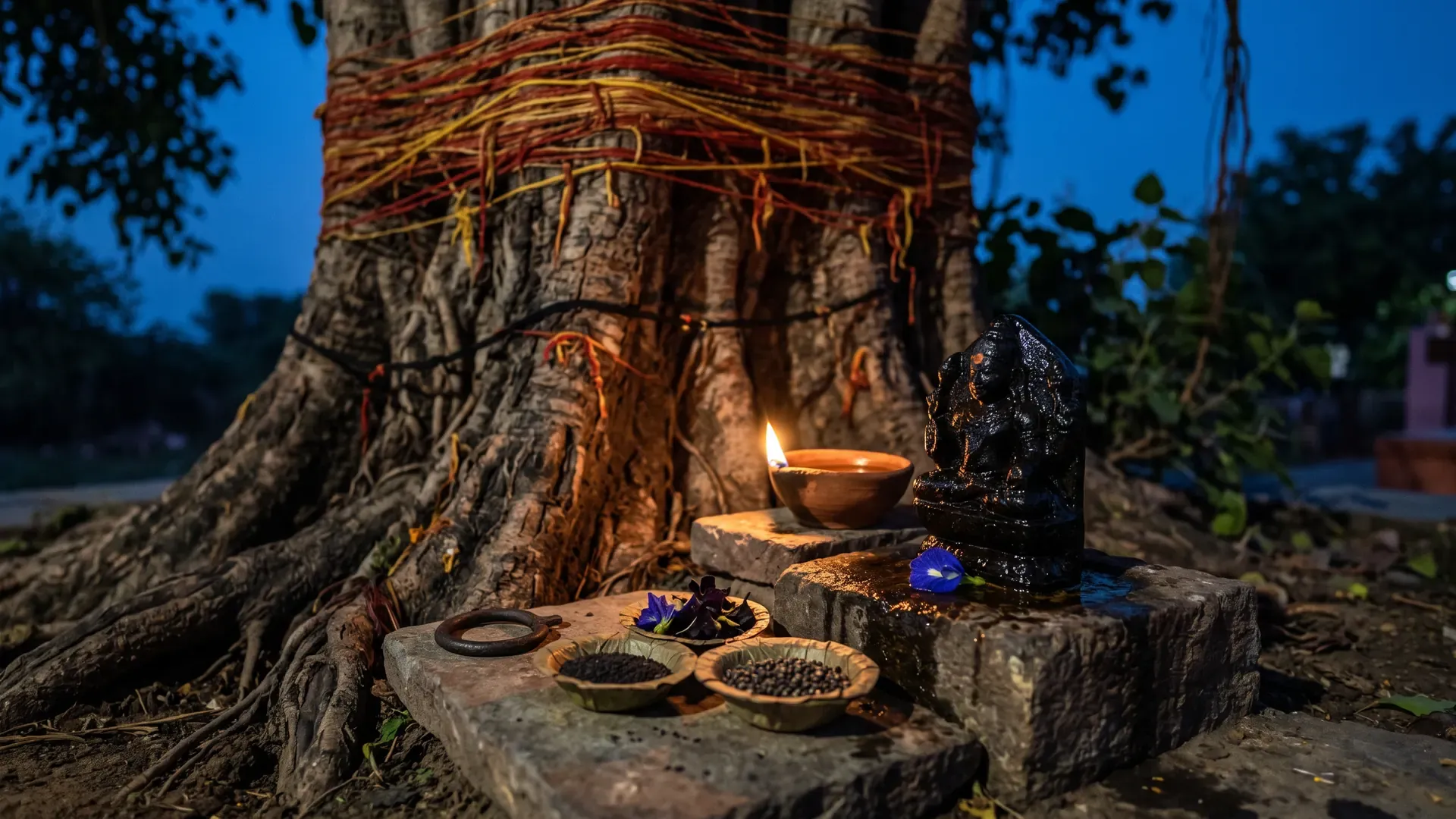 TodaySaturdayShani DevShani Dev Aarti
Images: made with AI
Families and relations
Who is related to whom, with the source in the texts
The Sanatan tree puts gods, avatars, rishis, scriptures and tirthas in one tree: 580 names and 749 relations. In the knowledge graph, look up any name for its relations and their sources.
Lists about the deities
Avatars, forms of the Devi, Shakti Peethas and Jyotirlingas: names, order and places, with sources.
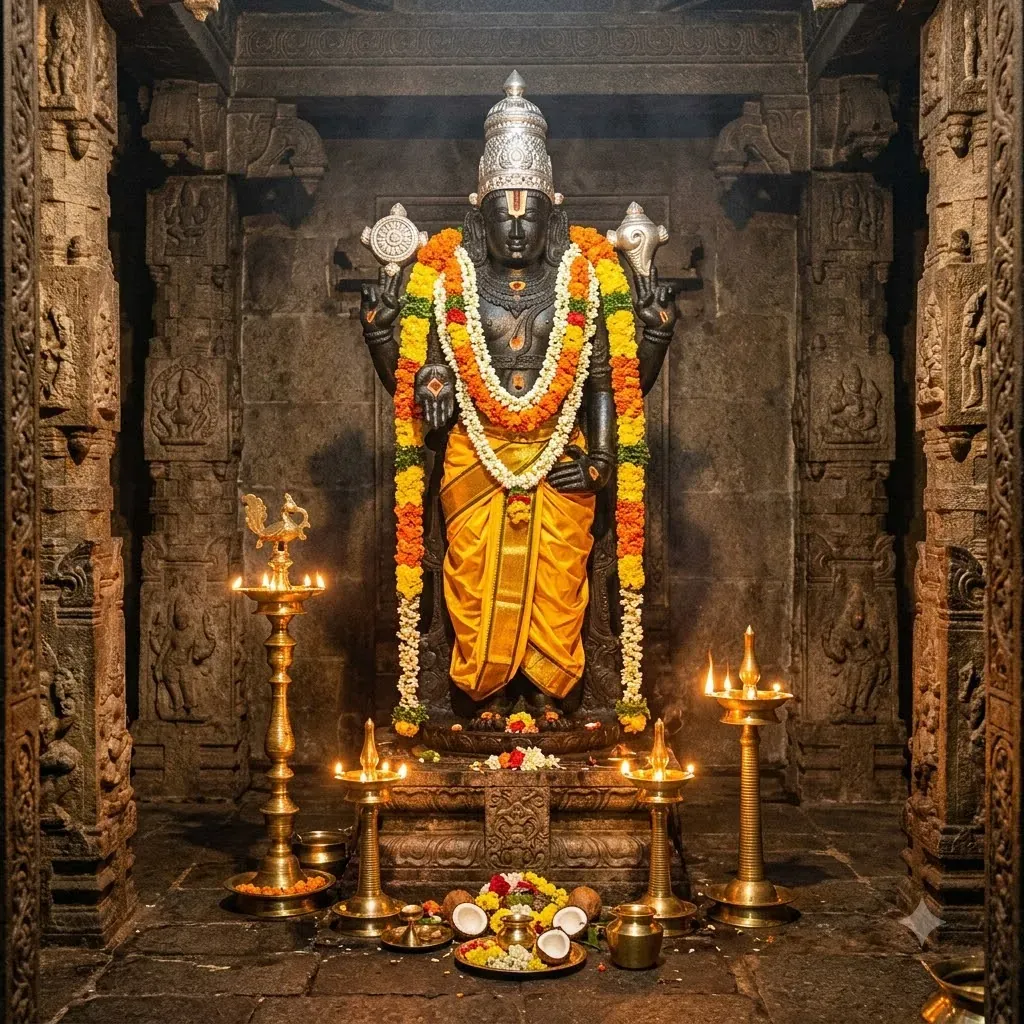 10 avatarsThe ten avatarsThe ten avatars in order: yuga, form and story, and how the lists differ
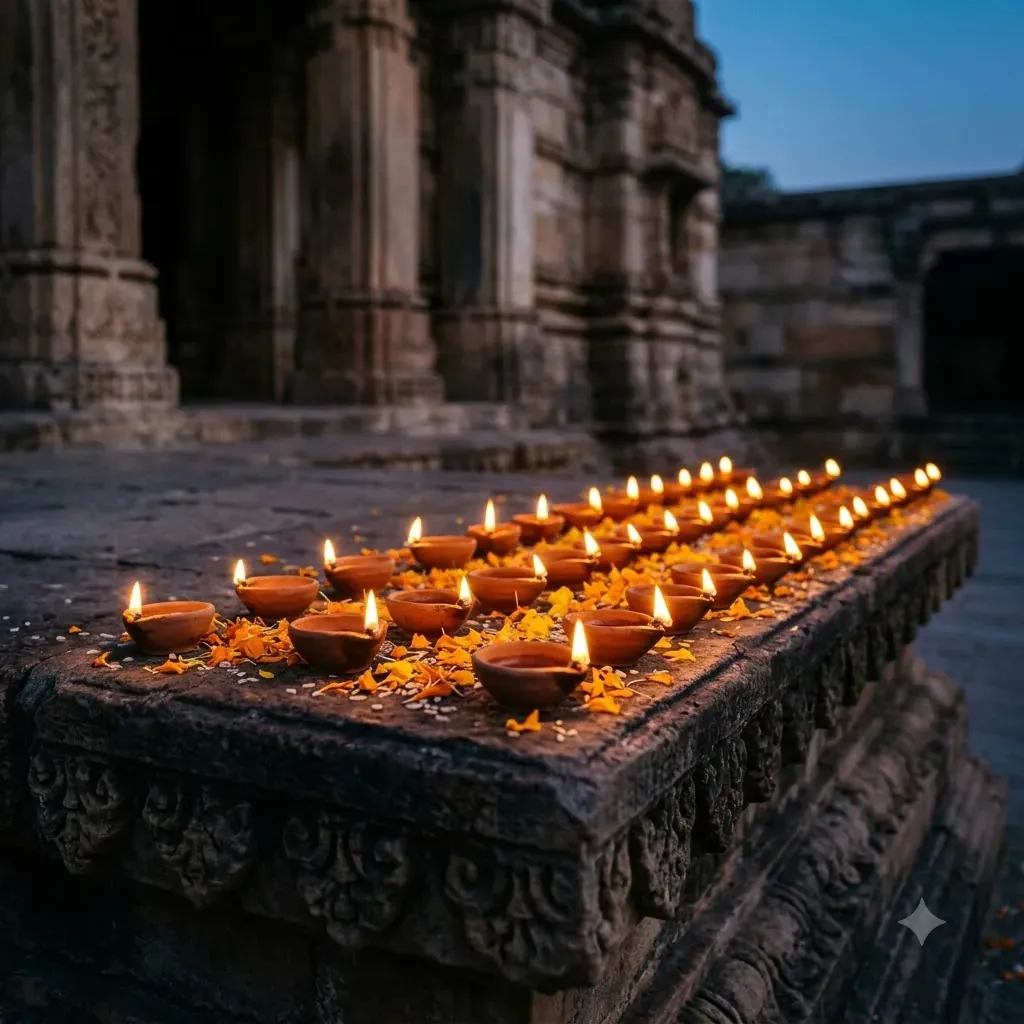 The 33 koti devatas8 Vasus, 11 Rudras, 12 Adityas, Indra and Prajapati: the 33 gods of the Upanishad
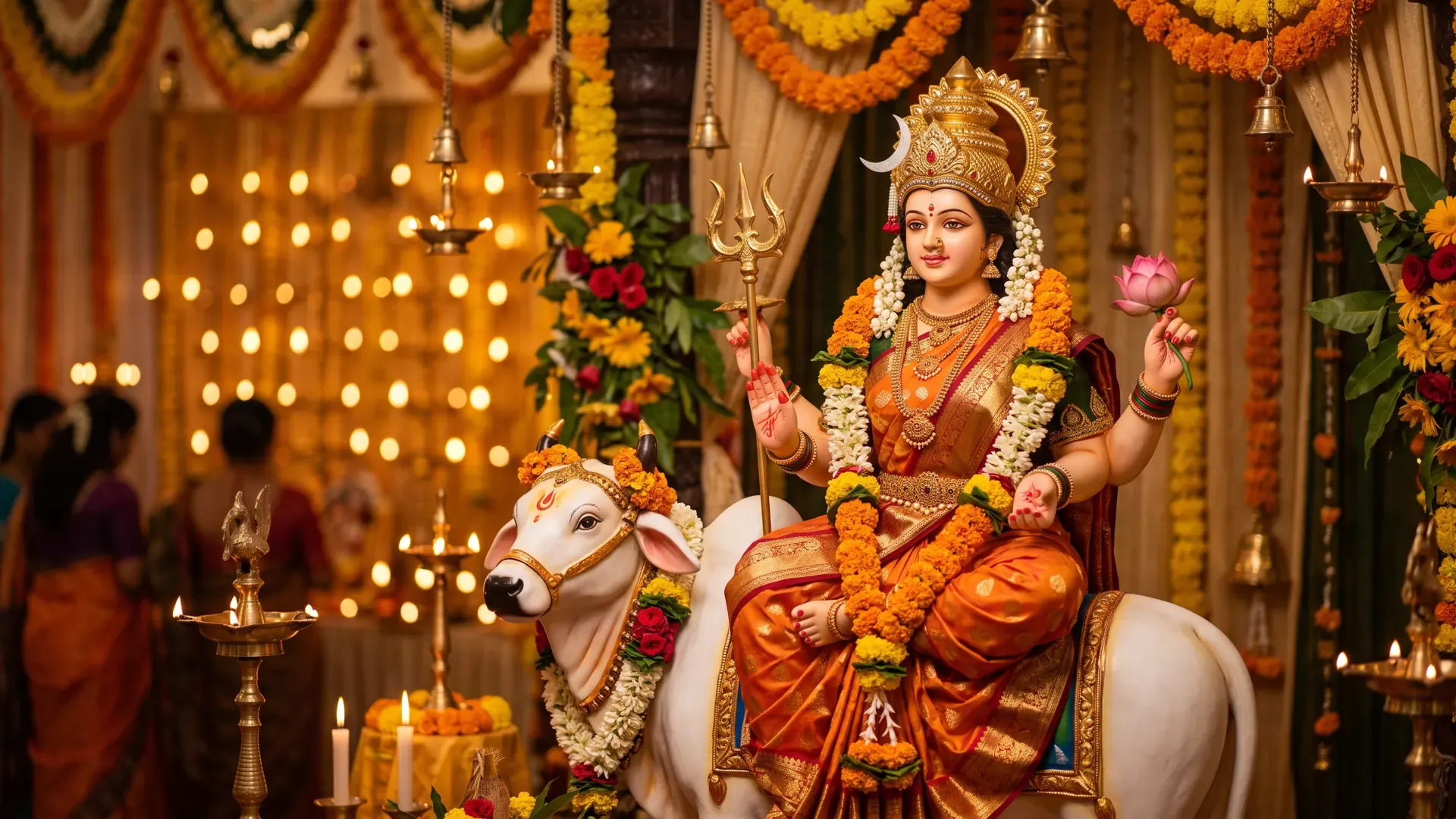 9 formsNavadurgaThe nine forms named in the Devi Kavacham, Shailputri to Siddhidatri, one for each day of Navratri
- 51 peethasShakti PeethasThe 51 Shakti Peethas of the Pithanirnaya: limb, place, state and country, with the disputes
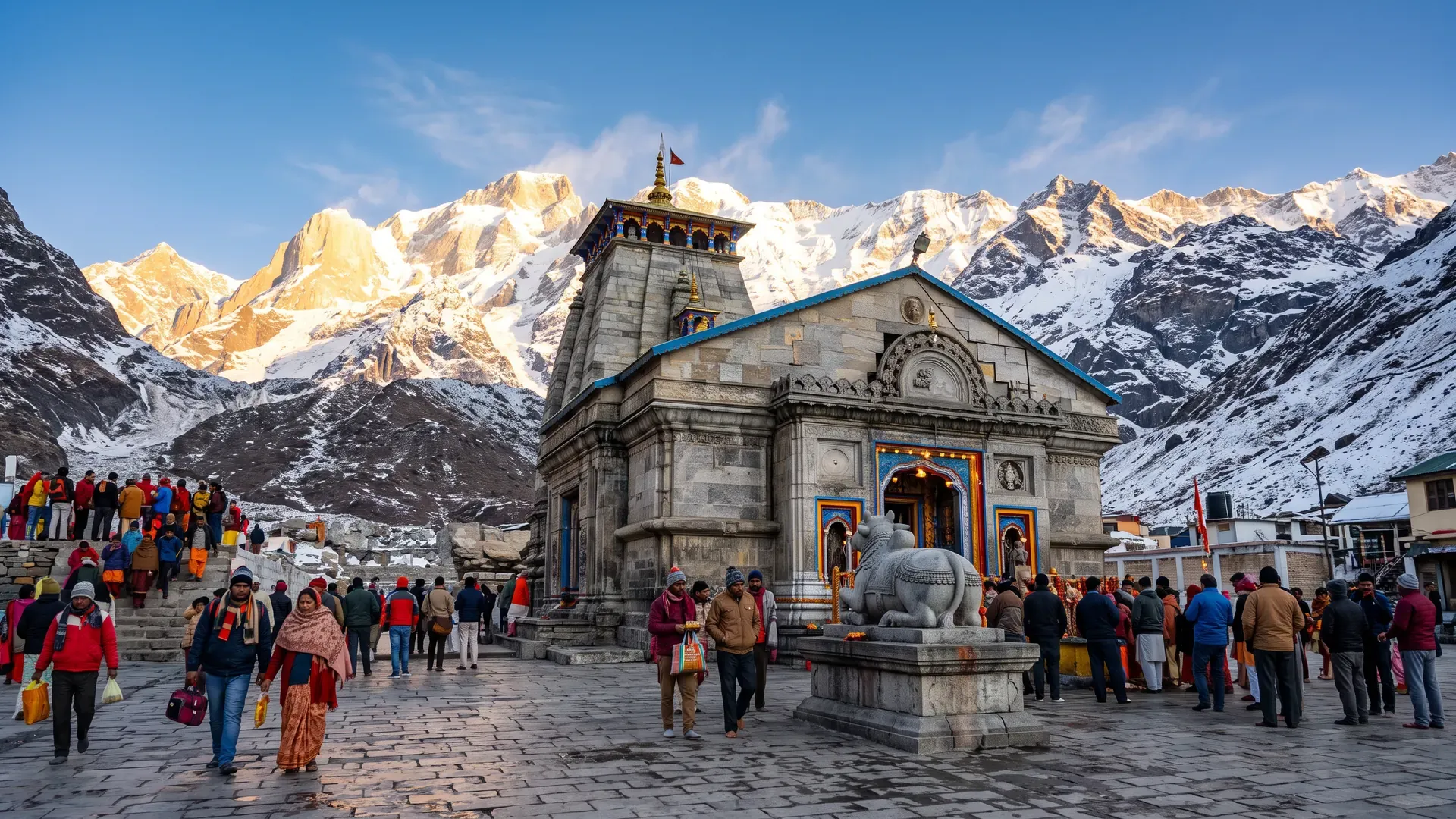 12 placesJyotirlingasShiva’s Jyotirlingas: their names, places and the Dvadasha Jyotirlinga Stotra
- 8 templesAshtavinayakMaharashtra’s eight Ganesha temples, Morgaon to Ranjangaon, in the order of the yatra
In the knowledge graph
Full pages for these are on the way. Meanwhile, see their relations and sources in the knowledge graph.
- ParvatiWife of Shiva, mother of Ganesha and Kartikeya. Daughter of Himavan, king of the mountains; Sati in her previous birth.
- SatiDaughter of Daksha Prajapati and first wife of Shiva. After giving up her body at Daksha’s yajna, she was born as Parvati.
- KartikeyaSon of Shiva and Parvati, commander of the army of the gods. Worshipped in South India as Murugan. His vehicle is the peacock.
- VishnuThe preserver among the Trimurti. In the Vaishnava tradition, the supreme Brahman; Rama and Krishna are regarded as his avatars.
- SitaWife of Rama, daughter of King Janaka of Mithila.
- VayuGod of the wind. According to the Valmiki Ramayana, the divine father of Hanuman.
- DhanvantariGod of Ayurveda and a partial avatar (amshavatara) of Vishnu. According to the Bhagavata Purana, he appeared from the churning of the ocean carrying the pot of amrita.
- SuryaThe god who can be seen, the source of light and life. Praised in the Rigveda as Savitr (the Gayatri mantra, 3.62.10); according to the Vishnu Purana, the father of Yama and Yamuna.
- YamaThe god of death and dharma. According to the Vishnu Purana, the son of Surya (Vivasvan) and Sanjna, and brother of Yami (Yamuna).
- YamunaYami, daughter of Surya and sister of Yama, regarded in tradition as the river Yamuna. In the Bhai Dooj story, she fed Yama at her home.
- ChitraguptaBy tradition, the god who keeps the record of the deeds of all beings in Yama’s court. He is worshipped by the Kayastha community on Yama Dwitiya.
- Chhathi MaiyaThe goddess of Chhath, identified with Shashthi Devi. In the Brahmavaivarta Purana (Prakriti Khanda), Shashthi Devi is the protector of children; in folk belief, she is Surya’s sister.
Show all 85Show fewer
- TulsiThe sacred plant and goddess dear to Vishnu. In the story in the Brahmavaivarta Purana (Prakriti Khanda), Tulsi is the beloved of Vishnu in his Shaligram form; Tulsi Vivah is held in Kartik.
- GangaThe river and goddess regarded as the most sacred. Named in the Nadi Sukta of the Rigveda (10.75.5); there is a special tradition of bathing in the Ganga on Kartik Purnima.
- Ahoi MataIn folk tradition, a goddess who protects children, regarded as a form of Parvati. Mothers worship her on Ahoi Ashtami.
- IndraKing of the devas and god of rain; more hymns of the Rigveda praise him than any other deity. In the Bhagavata Purana (10.25), Shri Krishna lifted Govardhan to shelter Braj from the rain Indra sent.
- SaraswatiGoddess of learning, speech, music and the arts, shown holding the veena and seated on a swan. The Rigveda (2.41.16) calls her the best of mothers, of rivers and of goddesses; Mahasaraswati is the deity of the Uttara Charitra of the Durga Saptashati.
- KuberaLord of wealth, king of the yakshas and guardian of the northern direction. According to the Uttara Kanda of the Valmiki Ramayana, son of the sage Vishrava and elder half-brother of Ravana; Lanka was first his. Worshipped with Lakshmi on Dhanteras and Diwali.
- Khatu ShyamShyam Baba, worshipped at Khatu Dham in the Sikar district of Rajasthan. The Skanda Purana (Kaumarika Khanda) tells the story of Barbarika, son of Ghatotkacha; tradition identifies Khatu Shyam with Barbarika, while his worship by Krishna’s name ‘Shyam’ and the Khatu temple belong to folk tradition.
- Shani DevThe deity of the planet Saturn among the nine grahas, after whom Saturday is named. According to the Vishnu Purana (3.2.4), the son of Surya and Chhaya, and so a half-brother of Yama.
- Santoshi MataThe goddess of contentment, whose worship spread in North India in the 20th century through the Friday vrat, vrat katha pamphlets and the 1975 film ‘Jai Santoshi Maa’. Her story is not found in the Puranas; in folk belief she is Ganesh’s daughter.
- BrihaspatiThe guru and priest of the gods. The Rigveda has hymns in his praise (for example 4.50), and according to the Mahabharata (Adi Parva 76) the gods chose him as their priest. Among the nine grahas he is the deity of Jupiter (Guru), and Thursday is his day.
- GayatriVedamata, mother of the Vedas: the Gayatri mantra of the Rigveda (3.62.10) worshipped as a goddess. The name comes from the Gayatri metre, and the deity of the mantra is Savitr (the Sun). Gayatri Jayanti is kept on Jyeshtha Shukla Ekadashi in some places and on Shravan Purnima in others.
- BrahmaThe god who creates the world, first of the Trimurti. According to the Bhagavata Purana (3.8.14-16) he appeared on the lotus that grew from Vishnu’s navel; the Vishnu Purana (1.7) names his nine mind-born sons: Bhrigu, Pulastya, Pulaha, Kratu, Angiras, Marichi, Daksha, Atri and Vasishtha.
- MatsyaVishnu’s form as a fish, first of the Dashavatara. According to the Bhagavata (8.24) he guarded the boat of King Satyavrata in the waters of the deluge; Satyavrata became Vaivasvata Manu.
- KurmaVishnu’s form as a tortoise, second of the Dashavatara. At the churning of the ocean he bore the sinking Mount Mandara on his back (Bhagavata 8.7.8-9; Vishnu Purana 1.9).
- VarahaVishnu’s form as a boar, third of the Dashavatara. He lifted the sunken earth out of the waters (Bhagavata 1.3.7) and slew the daitya Hiranyaksha in battle (Bhagavata 3.18-19).
- NarasimhaVishnu as half man, half lion, fourth of the Dashavatara. He burst from a pillar to protect his devotee Prahlada and slew the daitya king Hiranyakashipu (Bhagavata 7.8).
- VamanaVishnu born as the son of Aditi and Kashyapa, fifth of the Dashavatara (Bhagavata 8.18; Vishnu Purana 3.1). As a young brahmin he asked King Bali for three steps of land, then as Trivikrama measured the three worlds and gave them back to Indra (Bhagavata 8.19-8.23).
- ParashuramaSon of Jamadagni and Renuka, the axe-bearing brahmin warrior, sixth of the Dashavatara (Bhagavata 9.15-16; Vishnu Purana 4.7). According to the Bhagavata (1.3.20) he rid the earth of kings hostile to brahmins twenty-one times.
- Buddha (avatar)The ninth avatar of Vishnu in the lists of the Varaha Purana (4.2) and the Bhagavata (1.3.24); the Bhagavata calls him ‘Anjana-suta’, appearing in Kikata once the Kali age has begun. The Gita Govinda puts Balarama eighth, and many South Indian traditions count Balarama in place of the Buddha.
- KalkiThe tenth avatar of Vishnu, still to come. According to the Bhagavata (1.3.25, 12.2.18-20) he will be born at the end of the Kali age in the village of Shambhala, in the house of Vishnuyasha, and on the horse Devadatta end the unrighteous rulers; the Bhagavata gives no calendar date.
- MohiniVishnu’s form as a beautiful woman after the churning of the ocean, who beguiled the asuras and gave the amrita to the gods (Bhagavata 8.9; the Vishnu Purana 1.9 tells it without the name ‘Mohini’). The Bhagavata (1.3.17) counts it among the avatars.
- DattatreyaSon of Atri and Anasuya (Vishnu Purana 1.10), counted by the Bhagavata (1.3.11) as Vishnu’s sixth avatar. The Bhagavata (4.1.33) and the Shiva Purana (Shatarudra Samhita 19) say he was born of Vishnu’s portion; by tradition he is also worshipped as Brahma, Vishnu and Shiva in one.
- SiddhiAccording to the Shiva Purana (Rudra Samhita, Kumara Khanda 20), daughter of Prajapati Vishvarupa and wife of Ganesha, who bore him Kshema. Folk tradition names Riddhi and Siddhi as Ganesha’s wives.
- BuddhiAccording to the Shiva Purana (Rudra Samhita, Kumara Khanda 20), daughter of Prajapati Vishvarupa and wife of Ganesha, who bore him Labha. Folk tradition names Riddhi in her place.
- RiddhiIn the folk tradition of North India, Ganesha’s wife together with Siddhi; the Shiva Purana has Buddhi in her place. In aartis and chalisas ‘Riddhi-Siddhi’ come together, meaning prosperity and success.
- KshemaAccording to the Shiva Purana (Rudra Samhita, Kumara Khanda 20), son of Ganesha and Siddhi; folk tradition names Shubh in his place.
- LabhAccording to the Shiva Purana (Rudra Samhita, Kumara Khanda 20), son of Ganesha and Buddhi. Folk tradition names Shubh and Labh as Ganesha’s two sons, and at Diwali ‘Shubh-Labh’ is written on doorways and account books.
- ShubhIn folk tradition, Labh’s brother and a son of Ganesha; the Shiva Purana has Kshema in this place.
- AditiDaughter of Daksha and wife of Kashyapa, mother of the twelve Adityas, among them Vivasvat (Surya), Varuna, Indra and Vishnu as Vamana (Vishnu Purana 1.15; Bhagavata 6.6.38-39).
- GarudaSon of Vinata and Kashyapa, king of the birds and Vishnu’s mount. According to the Mahabharata (Adi Parva 1.29) he went for the amrita to free his mother from slavery, and Vishnu made him his mount and set him on his banner too; the Bhagavata (6.6.22) calls him the mount of the Lord of sacrifice.
- ArunaSon of Vinata and Kashyapa and elder brother of Garuda; born from an egg broken open too early, he is also called Anuru, the thighless. The Bhagavata (6.6.22) calls him the Sun’s charioteer; in the Mahabharata (Adi Parva 1.14.21) he is seen before the Sun at dawn.
- Shesha (Ananta)Eldest son of Kadru, the thousand-hooded serpent (Mahabharata, Adi Parva 1.31), who holds up the earth at Brahma’s request (Adi Parva 1.32). In the Bhagavata (3.8.10, 3.8.23) Vishnu lies on his body as a bed on the waters of the deluge; the Vishnu Purana (2.5) calls him Vishnu’s endless form below the netherworlds.
- DevasenaWife of Kartikeya. According to the Mahabharata (Vana Parva 3.213, 3.218, Critical Edition) she was a daughter of Prajapati whom Indra rescued from the asura Keshi and gave in marriage to Skanda; Tamil tradition calls her Deivanai, Indra’s daughter.
- ValliIn Tamil tradition the wife of Murugan (Kartikeya), foster-daughter of Nambi, a chief of the hill forest; the story of Murugan’s love for her and their marriage is told in the Tamil Kanda Puranam.
- Shachi (Indrani)Wife of Indra, also called Paulomi, daughter of the asura Puloman. In the Mahabharata (Udyoga Parva) she refused Nahusha’s demands when he became Indra; according to the Bhagavata (6.18.7) she bore Indra three sons, Jayanta, Rishabha and Midhusha.
- SanjnaDaughter of Vishvakarma and wife of Surya, mother of Manu (Vaivasvata), Yama and Yami (Yamuna) (Vishnu Purana 3.2.2). Unable to bear Surya’s brilliance she left Chhaya in her place and went to the forest, where as a mare she bore the Ashvins (Vishnu Purana 3.2.3-7). The Rigveda (10.17.1-2) tells the same story of Saranyu, there the daughter of Tvashtar.
- ChhayaSanjna’s shadow, whom Sanjna left in her place to serve Surya. By Surya she bore Shanaishchara (Shani), Savarni Manu and a daughter, Tapati (Vishnu Purana 3.2.3-4; Bhagavata 6.6.41).
- Ashvini Kumaras (the Ashvins)Twin gods, the physicians of the gods. According to the Vishnu Purana (3.2.6-7) they are the sons of Surya and Sanjna, born while Sanjna was doing penance in the form of a mare. Many hymns of the Rigveda, such as 1.116, are in their praise.
- TapatiDaughter of Surya and Chhaya (Vishnu Purana 3.2.4), married to King Samvarana (Bhagavata 6.6.41). By tradition the Tapi river is held to be her form.
- VishvakarmaThe architect of the gods. According to the Vishnu Purana (3.2) Sanjna was his daughter, and from the brilliance he trimmed off Surya he made Vishnu’s discus, Shiva’s trident and Kartikeya’s spear.
- Chandra (Soma)God of the Moon. The Vishnu Purana (1.10, 4.6) and the Bhagavata (4.1.15) make him the son of Atri and Anasuya; in the Vishnu Purana’s churning of the ocean (1.9) the Moon also rises and Shiva takes it. Daksha’s twenty-seven daughters, the nakshatras, are his wives (Vishnu Purana 1.15).
- RohiniA daughter of Daksha and, of the Moon’s twenty-seven nakshatra wives, the one he loved most. According to the Shiva Purana (Kotirudra Samhita 14) Daksha cursed the Moon with a wasting disease for this partiality, and by worshipping Shiva at Prabhasa the Moon won the boon of waning and waxing.
- BudhaSon of Soma (the Moon) and Tara (Vishnu Purana 4.6; Bhagavata 9.14). By Ila he fathered Pururavas, from whom the lunar dynasty descends (Vishnu Purana 4.6).
- Tara (wife of Brihaspati)Wife of Brihaspati, guru of the gods. Soma carried her off, which led to the ‘Tarakamaya’ war between the gods and the daityas; when Brahma asked her, Tara said her son Budha was Soma’s (Vishnu Purana 4.6).
- AgniGod of the sacrificial fire, who carries offerings to the gods; the first hymn of the Rigveda (1.1) is to Agni. According to the Vishnu Purana (1.7, 1.10) Daksha’s daughter Svaha is his wife, and their sons are Pavaka, Pavamana and Shuchi.
- SvahaDaughter of Daksha and Prasuti and wife of Agni (Vishnu Purana 1.7, 1.10). ‘Svaha’ is said as each offering is made into the fire.
- KamadevaGod of love and desire. According to the Shiva Purana (Rudra Samhita, Sati Khanda 2-4) he was born from Brahma’s mind and Daksha gave him his daughter Rati; when he disturbed Shiva’s tapas Shiva burnt him with his third eye (Parvati Khanda 19), hence the name Ananga, the bodiless. The Vishnu Purana (1.7) calls him the son of Dharma and Shraddha.
- RatiWife of Kamadeva. According to the Shiva Purana (Rudra Samhita, Sati Khanda 3-4) she was Daksha’s daughter, born of his sweat, and Daksha gave her to Kama; her lament when Kama was burnt, and Shiva’s assurance, are in the Parvati Khanda (19).
- VarunaThe Vedic god of the waters and of rita, the order of the world, by tradition guardian of the west. One of the twelve sons of Aditi and Kashyapa, the Adityas (Vishnu Purana 1.15; Bhagavata 6.6.39).
- VirabhadraThe hero born from Shiva’s matted hair when Sati gave up her body, who destroyed Daksha’s yajna and beheaded Daksha (Shiva Purana, Rudra Samhita, Sati Khanda 32-37; Bhagavata 4.5). The Shiva Purana (Shatarudra Samhita 10) calls him an avatar of Shiva.
- Kala BhairavaA fierce form of Shiva. According to the Shiva Purana (Shatarudra Samhita 8-9) he came forth from Shiva at Brahma’s arrogance, one whom even Kala (time) fears; he cut off Brahma’s fifth head, and the skull fell from his hand at Kapalamochana in Kashi. Tradition holds him to be the guardian (kotwal) of Kashi.
- KamadhenuThe wish-granting cow, who rose from the churning of the ocean and was taken by the rishis for the ghee of their yajnas (Bhagavata 8.8.1-2; ‘Surabhi’ in Vishnu Purana 1.9).
- ShailputriThe first of the nine Durgas, worshipped on the first day of Navratri. Daughter of Himalaya, king of the mountains, hence the name Shailaputri; she rides a bull and holds a trident and a lotus.
- BrahmachariniThe second of the nine Durgas, worshipped on the second day of Navratri. Here ‘brahma’ means tapas: the goddess who practises austerity, holding a rosary and a water-pot.
- ChandraghantaThe third of the nine Durgas, worshipped on the third day of Navratri. A bell-shaped half-moon on her forehead gives her the name; her ten arms bear weapons.
- KushmandaThe fourth of the nine Durgas, worshipped on the fourth day of Navratri. Her eight arms give her the name Ashtabhuja too; her mount is a lion.
- SkandamataThe fifth of the nine Durgas, worshipped on the fifth day of Navratri. The child Skanda (Kartikeya) sits on her lap, hence the name.
- KatyayaniThe sixth of the nine Durgas, worshipped on the sixth day of Navratri; her mount is a lion. In the Bhagavata Purana (10.22.4) the unmarried gopis of Vraja worship the goddess Katyayani.
- KalaratriThe seventh of the nine Durgas, worshipped on the seventh day of Navratri. Dark as deep night, with a donkey for her mount; fearsome in form yet held to bring good, so she is also called Shubhankari.
- MahagauriThe eighth of the nine Durgas, worshipped on Durga Ashtami. Very fair, dressed in white, and riding a white bull.
- SiddhidatriThe ninth of the nine Durgas, worshipped on Maha Navami. Her four arms hold a discus, mace, conch and lotus; she rides a lion and is also shown seated on a lotus.
- KaliThe fierce dark goddess. In the Durga Saptashati (7.5-6) she springs from Ambika’s brow in the battle with Chanda and Munda, and after slaying them is called Chamunda (7.27); the first of the ten Mahavidyas.
- Tara (Mahavidya)The second of the ten Mahavidyas. In the Mahabhagavata Purana (chapter 8) she follows Kali among the forms in which Sati appears before Shiva.
- Tripura SundariThe third of the ten Mahavidyas, also called Shodashi and Lalita; the chief goddess of the Shri Vidya tradition. The Lalita Sahasranama of the Brahmanda Purana is in her praise.
- BhuvaneshvariThe fourth of the ten Mahavidyas, mistress of the worlds. In the Mahabhagavata Purana (chapter 8) she is among the forms of Sati that Shiva saw in the ten directions.
- BhairaviThe fifth of the ten Mahavidyas, a goddess of fierce form. In the Mahabhagavata Purana (chapter 8) Bhairavi is the last named of Sati’s ten forms.
- ChhinnamastaThe sixth of the ten Mahavidyas, shown holding her own severed head. One of Sati’s ten forms in the Mahabhagavata Purana (chapter 8).
- DhumavatiThe seventh of the ten Mahavidyas. In the Mahabhagavata Purana (chapter 8) she appears in the form of a widow in the south-east.
- BagalamukhiThe eighth of the ten Mahavidyas, also called Pitambara for her yellow garments. The Mahabhagavata Purana (chapter 8) names her ‘Bagala’, destroyer of enemies.
- MatangiThe ninth of the ten Mahavidyas. The Mahabhagavata Purana (chapter 8) calls her the daughter of Matanga; tradition links her with speech and the arts.
- KamalaThe tenth of the ten Mahavidyas, seated on a lotus and bathed by elephants; tradition holds her to be a form of Lakshmi.
- DharmaThe god of dharma. In the Mahabharata Yudhishthira was born when Kunti invoked him (Adi Parva, chapter 123), he was born as Vidura through the sage Mandavya’s curse (Adi Parva, chapters 107–108), and in the Vana Parva (chapter 312) he tested Yudhishthira in the form of a Yaksha. Tradition holds him to be one with Yama, the Dharmaraja.
- BalaramaSon of Vasudeva and Rohini and Krishna’s elder brother; the Bhagavata Purana (1.3.23) calls the two brothers the nineteenth and twentieth incarnations of Vishnu. He was called Sankarshana because he was drawn from Devaki’s womb into Rohini’s (10.2.8–13); Revati was his wife (9.3.36). In the Mahabharata both Bhima and Duryodhana are his disciples in the mace (Shalya Parva, chapters 34 and 55).