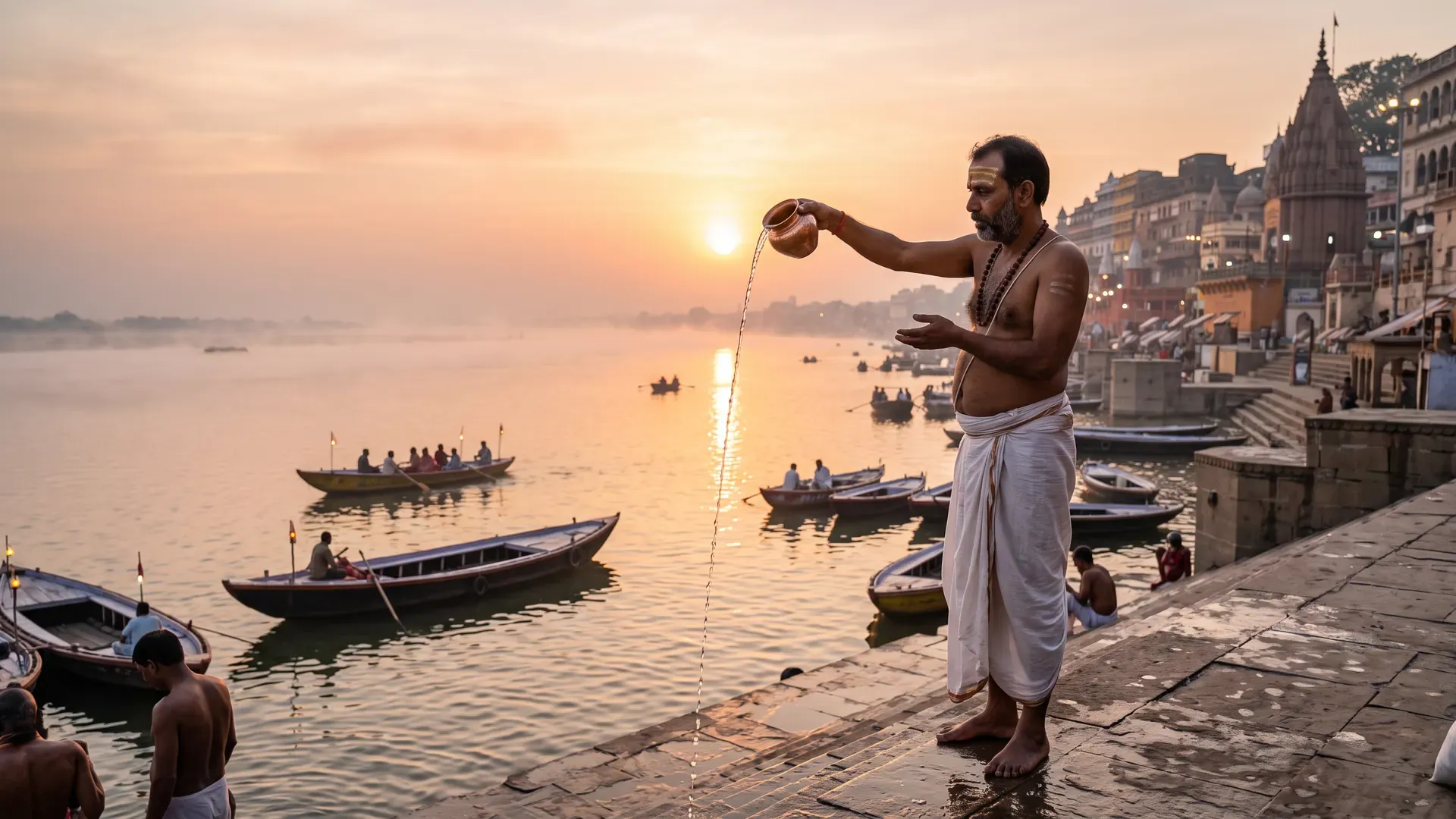
Panchang: Monday, 12 October 2026
Tithi, nakshatra, yoga, choghadiya and Rahu Kaal, based on the city’s sunrise.
Tithi
Ashwin Shukla Dwitiya
Monday, 12 October 2026 · New Delhi
Dwitiya until 10:14 PM, then Tritiya
- Vikram Samvat
- 2083
- Shaka Samvat
- 1948
- Month
- Ashwin
- Paksha
- Shukla Paksha
Sun and Moon
- Sunrise
- 6:20 AM
- Sunset
- 5:55 PM
- Moonrise
- 7:51 AM
- Moonset
- 6:36 PM
Day length: 11 h 35 min
Other panchang details
- Nakshatra
- Swatiuntil 11:53 PM
- Yoga
- Vishkambhauntil 8:33 PM
- Karana
- Balavaat sunrise
- Moon sign
- Libra (Tula)
- Sun sign
- Virgo (Kanya)
- Weekday
- Monday
On Monday, 12 October 2026, sunrise in New Delhi is at 6:20 AM and sunset at 5:55 PM. The tithi at sunrise is Ashwin Shukla Dwitiya. Rahu Kaal is from 7:47 AM to 9:14 AM and Abhijit muhurat from 11:44 AM to 12:31 PM.
Vrats and festivals on this day
All vrats and festivals of October 2026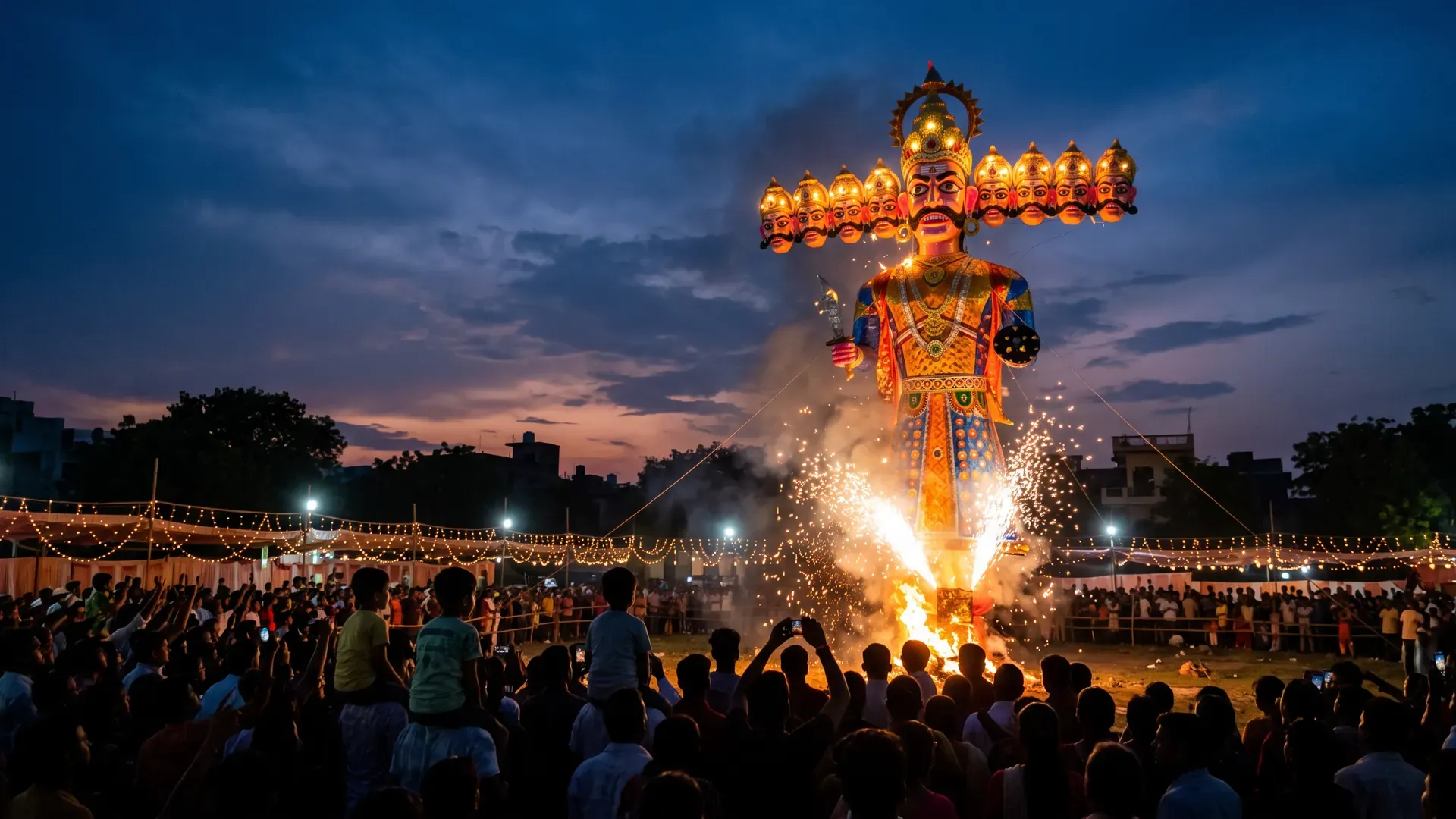 Image: made with AI
Next major festival
Tuesday, 20 October 2026
TithiAshwin Shukla Dashami
Vijay muhurat1:59–2:45 PM (New Delhi)
Auspicious times
Brahma muhurat
4:41 AM–5:30 AM
The 14th of the night’s 15 muhurtas (before sunrise)
Abhijit muhurat
11:44 AM–12:31 PM
The 8th of the day’s 15 muhurtas (midday)
Vijay muhurat
2:03 PM–2:50 PM
The 11th of the day’s 15 muhurtas (afternoon)
Inauspicious times
- Rahu Kaal7:47 AM–9:14 AM
- Yamaganda10:41 AM–12:08 PM
- Gulika Kaal1:34 PM–3:01 PM
Day choghadiya (sunrise to sunset)
Choghadiya in fullSunrise 6:20 AM
- Amritbest6:20–7:47 AM
- Kaalinauspicious7:47–9:14 AM
- Shubhauspicious9:14–10:41 AM
- Roginauspicious10:41 AM–12:08 PM
- Udveginauspicious12:08–1:34 PM
- Charneutral, good for travel1:34–3:01 PM
- Labhgain3:01–4:28 PM
- Amritbest4:28–5:55 PM
Sunset 5:55 PM
Night choghadiya (sunset to the next sunrise)
Sunset 5:55 PM
- Charneutral, good for travel5:55–7:28 PM
- Roginauspicious7:28–9:01 PM
- Kaalinauspicious9:01–10:35 PM
- Labhgain10:35 PM–12:08 AM (13 Oct)
- Udveginauspicious12:08–1:41 AM (13 Oct)
- Shubhauspicious1:41–3:14 AM (13 Oct)
- Amritbest3:14–4:47 AM (13 Oct)
- Charneutral, good for travel4:47–6:21 AM (13 Oct)
Next sunrise 6:21 AM (13 Oct)
Calculated from the positions of the Sun and Moon (astronomy-engine) with the Lahiri ayanamsha, checked against Drik Panchang. Times are in Indian Standard Time. Local panchangs may differ by a minute or two. How we calculate · Today’s tithi and the next 15 days · Choghadiya today New Delhi · Moonrise time today in New Delhi · Rahu Kaal today New Delhi
Today is Monday: Shiv Aarti, Shiv Chalisa, Karpur Gauram Karunavataram, Om Namah Shivaya, Shiv Panchakshar Stotram; Somvar vrat katha
Understand the panchang
How the tithi, nakshatra, yoga, karana, weekday and choghadiya are worked out, and how our calculation is checked against Drik Panchang.
The full month’s panchang
Every day’s tithi, vrats, festivals and Ekadashis in one calendar, with a PDF to print.
Hindu calendar October 2026Add to your calendar
Add it once: every festival and vrat appears in your calendar, each with a link to its muhurat page. New dates keep arriving by themselves.
On Android use the Google Calendar button; once added it also shows in the phone’s calendar app.
Panchang: questions and answers
What is choghadiya?
Choghadiya divides the day (sunrise to sunset) and the night (sunset to sunrise) into eight parts each. Amrit, Shubh, Labh and Char are taken as good for starting work or travel; Udveg, Kaal and Rog are avoided.
What is a tithi?
Every 12 degrees of separation between the Moon and the Sun is one tithi. A lunar month has 30 tithis: Pratipada to Purnima in the Shukla Paksha (waxing half), and Pratipada to Amavasya in the Krishna Paksha (waning half).
How is the tithi of a day decided?
The tithi running at sunrise is taken as that day’s tithi. This is called the udaya tithi. That is why tithi times differ slightly between cities.
What is the difference between Purnimanta and Amanta months?
In the Purnimanta system the month ends on the full moon (North India); in the Amanta system it ends on the new moon (South and West India). The Shukla Paksha has the same month name in both; in the Krishna Paksha the Purnimanta month name is one ahead.
How are Rahu Kaal, Yamaganda and Gulika worked out?
The time from sunrise to sunset is divided into eight equal parts. On each weekday a fixed part is Rahu Kaal (for example the second on Monday and the third on Saturday), and other fixed parts are Yamaganda and Gulika.
Today’s panchang by city
- New Delhi
- Varanasi
- Mumbai
- Kolkata
- Chennai
- Bengaluru
- Hyderabad
- Ahmedabad
- Jaipur
- Lucknow
- Patna
- Bhopal
- Ujjain
- Haridwar
- Pune
- Guwahati
- Noida
- Gurugram
- Ghaziabad
- Faridabad
- Chandigarh
- Ludhiana
- Amritsar
- Jammu
- Dehradun
- Rishikesh
- Shimla
- Agra
- Mathura
- Prayagraj
- Kanpur
- Ayodhya
- Gorakhpur
- Meerut
- Bareilly
- Jodhpur
- Udaipur
- Kota
- Ajmer
- Indore
- Gwalior
- Jabalpur
- Raipur
- Gaya
- Muzaffarpur
- Bhagalpur
- Darbhanga
- Ranchi
- Jamshedpur
- Dhanbad
- Bhubaneswar
- Puri
- Siliguri
- Surat
- Vadodara
- Rajkot
- Nagpur
- Nashik
- Panaji
- Visakhapatnam
- Tirupati
- Mysuru
- Kochi
- Thiruvananthapuram
- Coimbatore
- Madurai